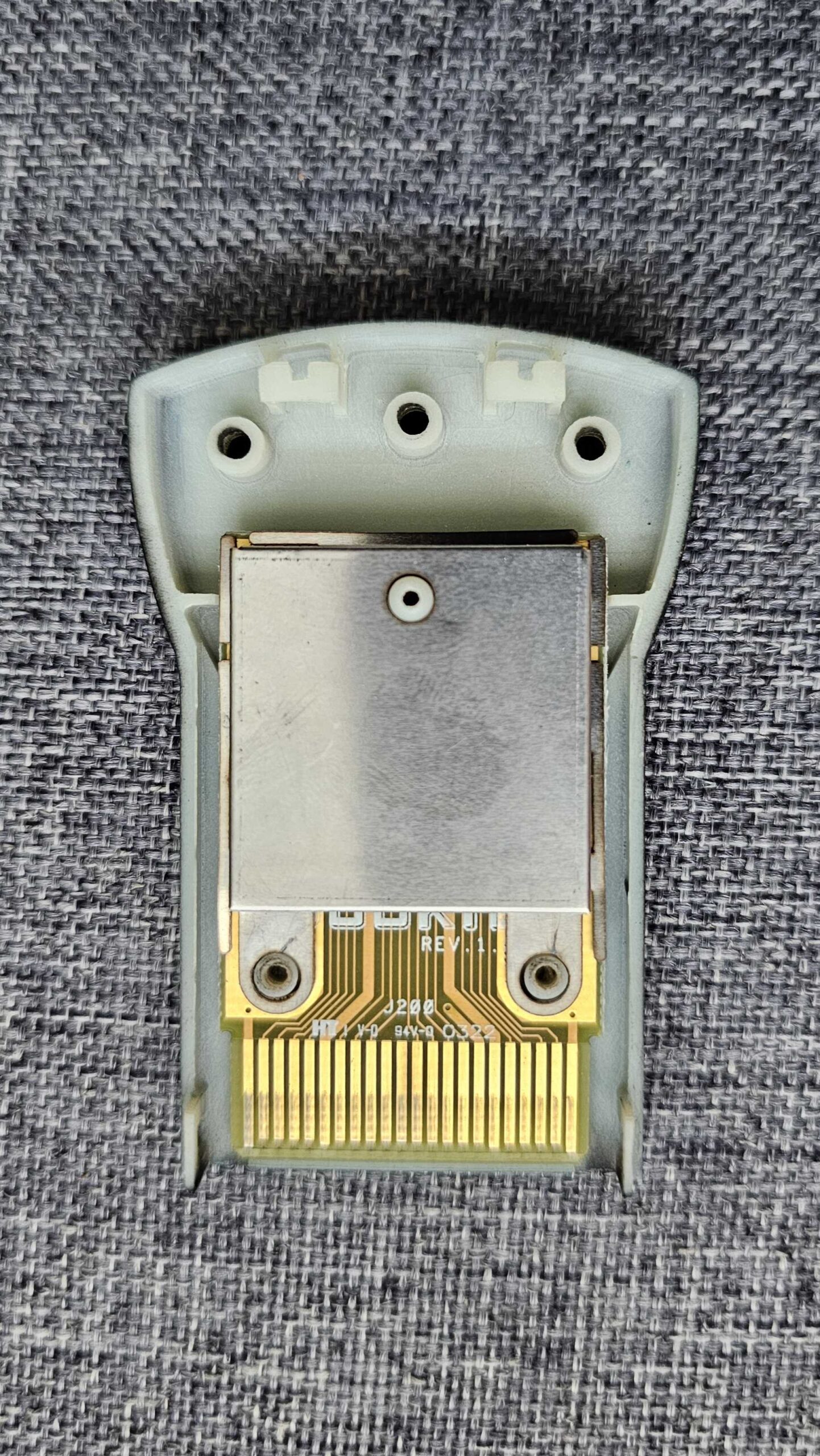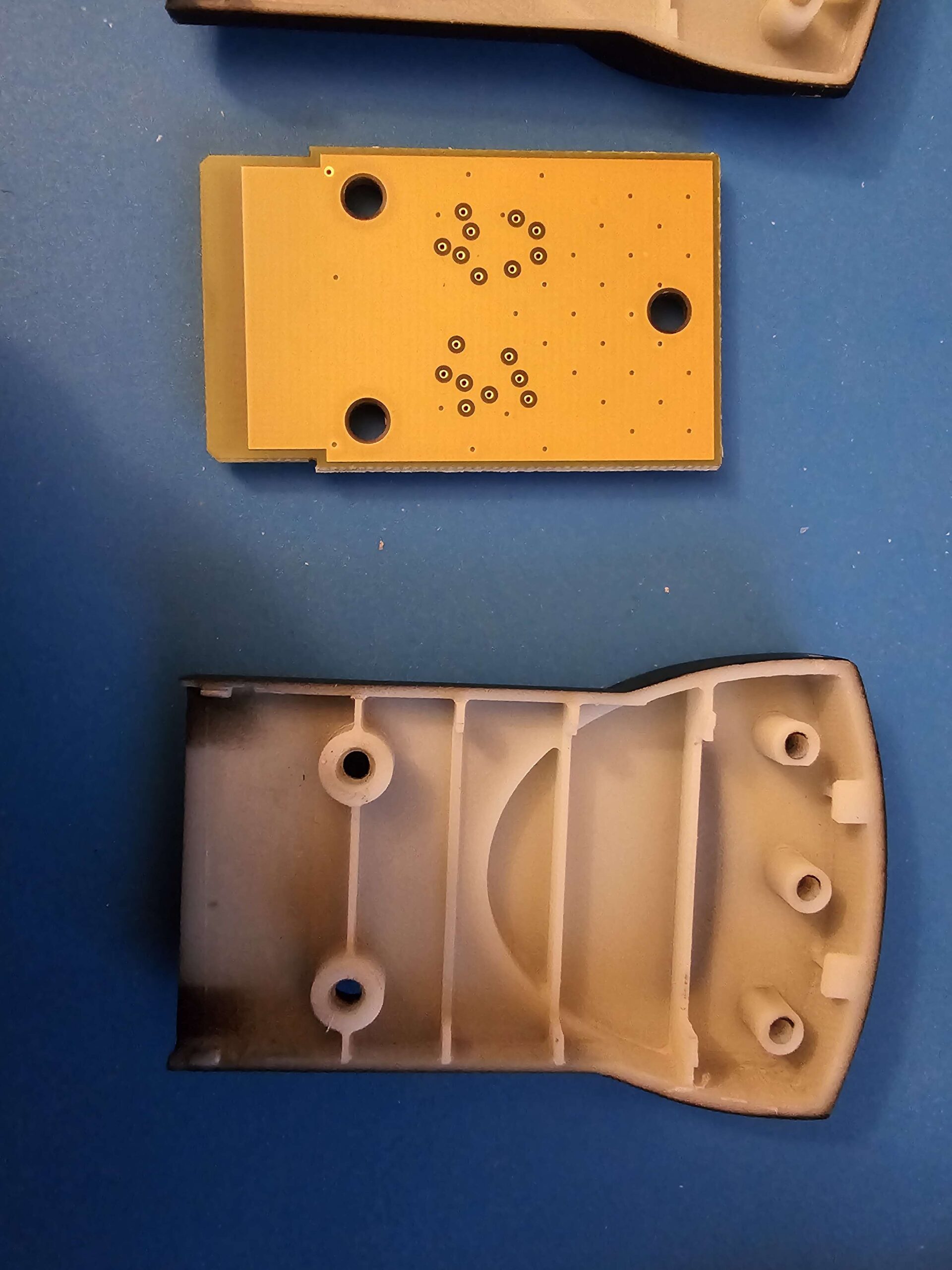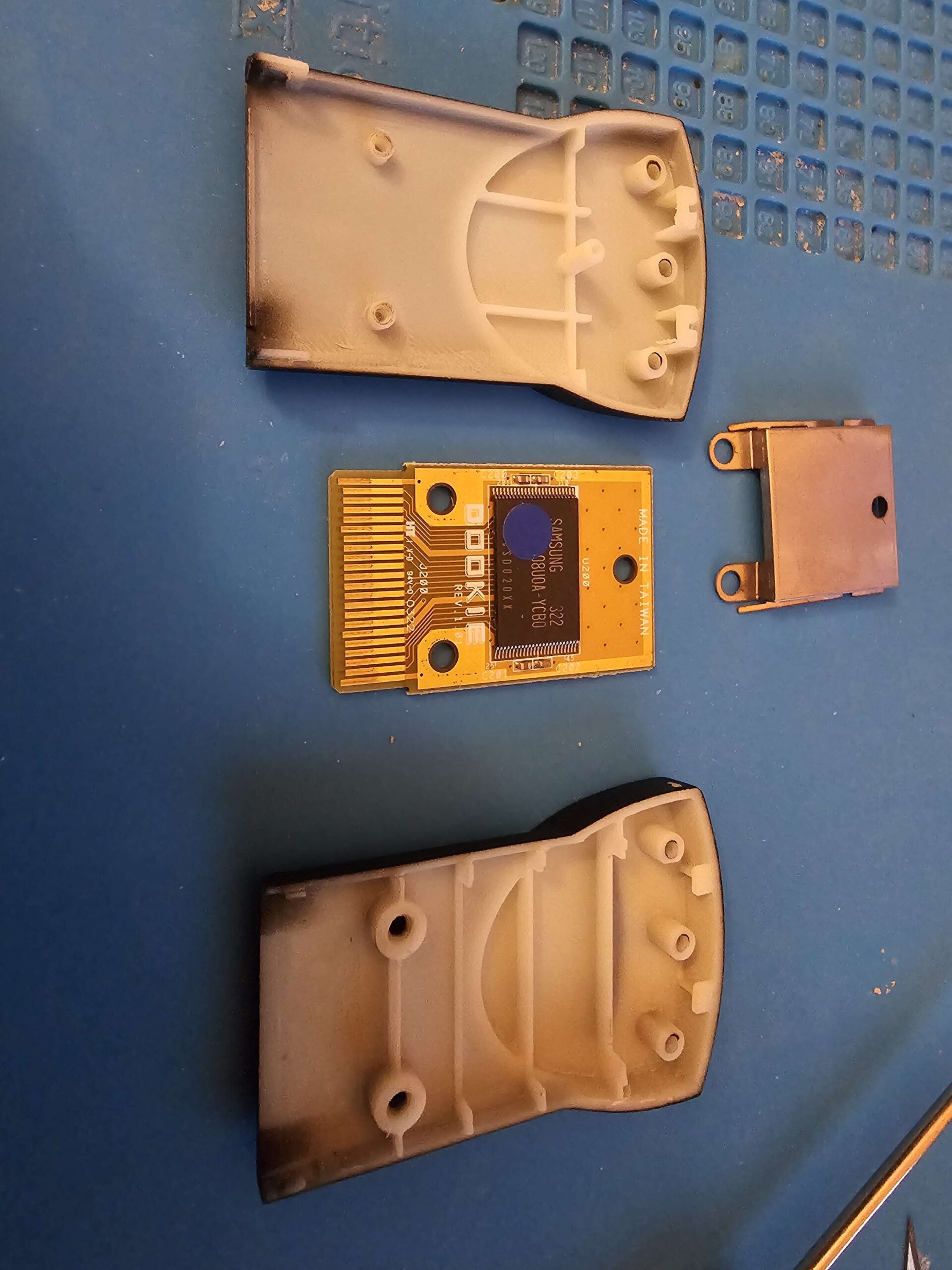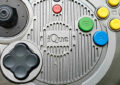
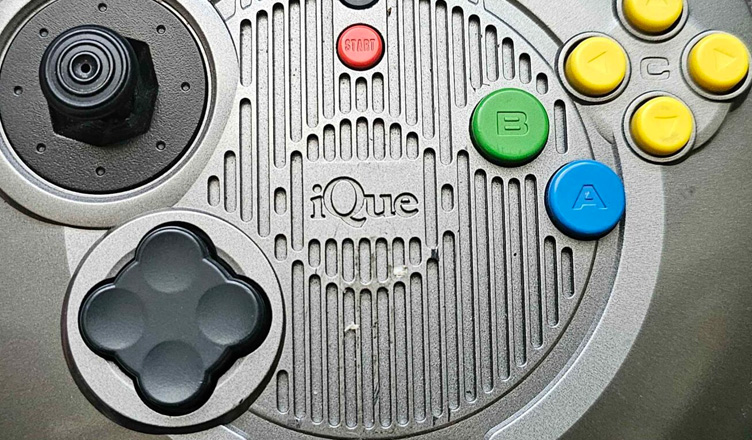
The iQue Player (神游机, Shényóu Jī) is the official Mainland China version of the Nintendo 64. Released in November 2003, it was developed by BroadOn in partnership with Nintendo, with the aim of breaking into the Chinese videogame market. In order to protect against counterfeit games and copyright infringement, BroadOn created a complex digital distribution system and DRM scheme, which has continued to evolve and still forms the backbone of Nintendo’s content management infrastructure to this day. The iQue Player doesn’t have a cartridge slot, but instead loads games from a memory-card-like device with NAND flash storage on it, called the “iQue Card” (神游卡, Shényóu Kǎ).
Users wanting to buy games for the console would originally do so at an “iQue Depot” (神游加油站, Shényóu Jiāyóuzhàn). These were PC-based kiosks that could be found in various locations across China; the customer could insert the iQue Card into a special reader, select a game to buy, then scan an “iQue Ticket” (神游票, Shényóu Piào) to purchase it. iQue Tickets were sold at an MSRP of ¥48 RMB (£6·45/€7.99/US$10.79 in 2026) and were valid for one game. In 2004, a tool to buy and manage games via USB from a PC with an internet connection, called “iQue@Home” (神游在线, Shényóu Zàixiàn), was released. This largely negated the need for users to find iQue Depots; the online purchasing system continued to operate until 2016.
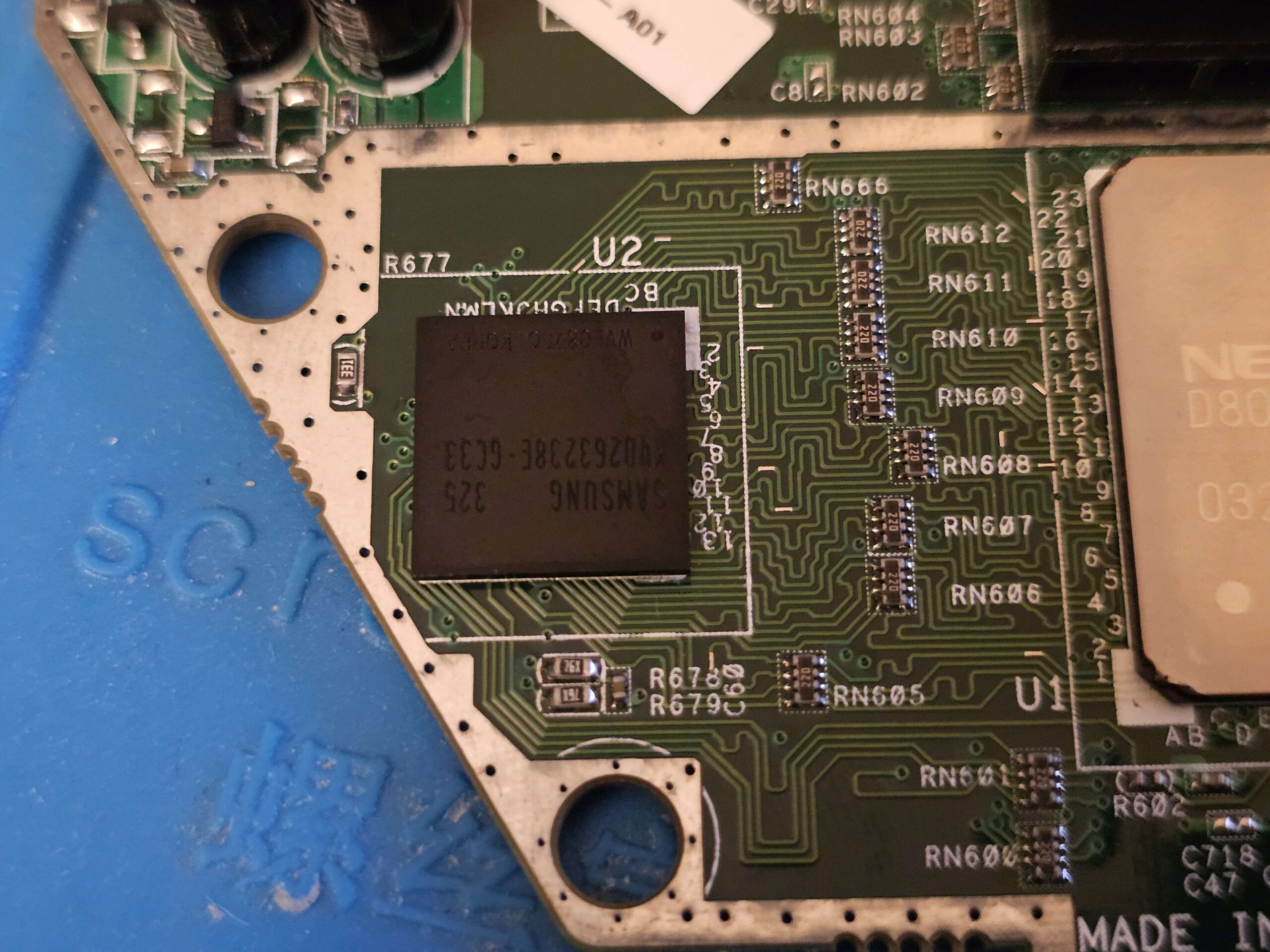
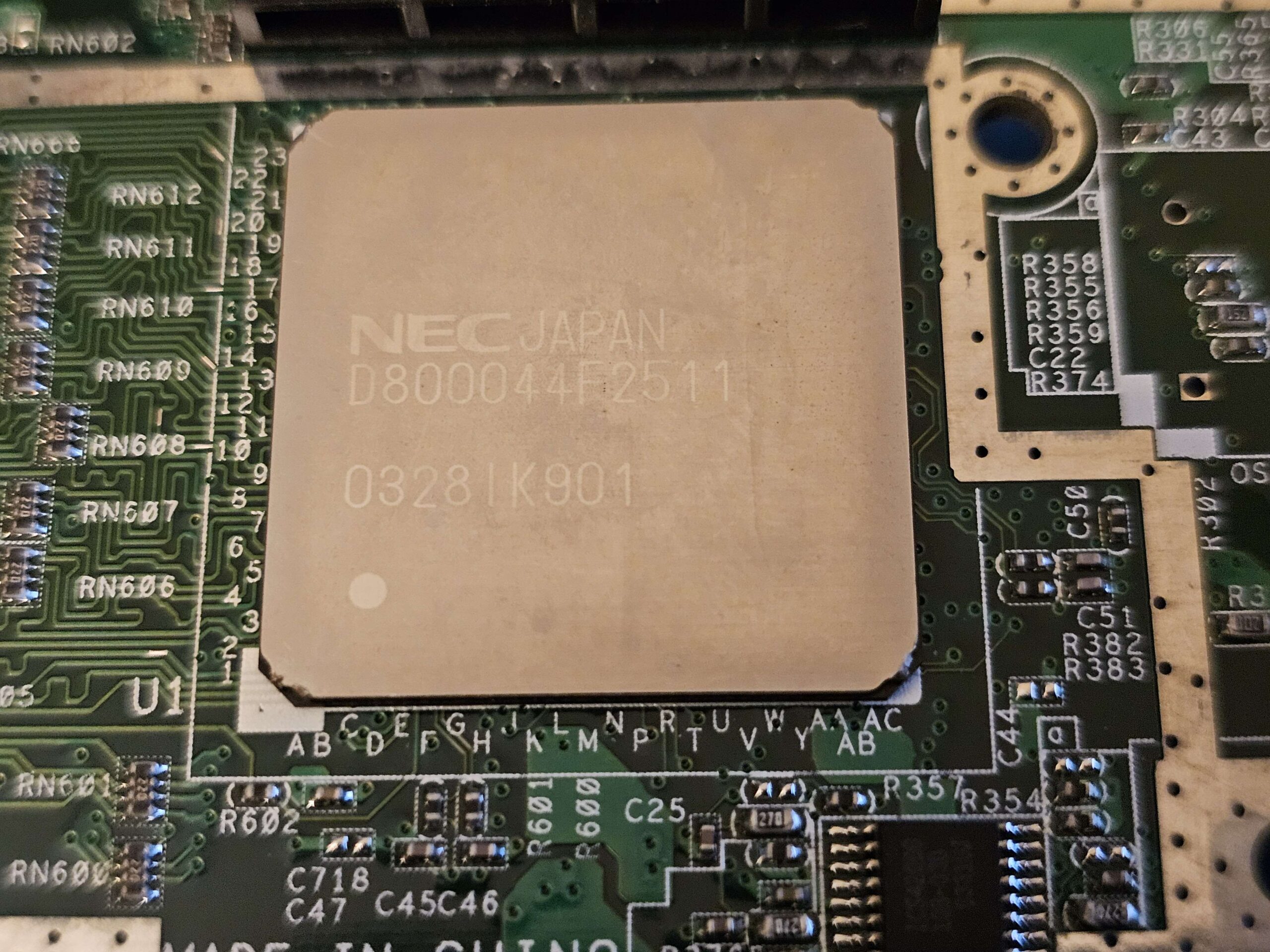
From the year 2000 until circa 2015, the Chinese government heavily restricted videogames, due in part to fears about addiction in children. To get around this, the iQue Player was designed and manufactured within Mainland China, all games were fully translated into Simplified Chinese (with some having new Mandarin voice acting), and the system was marketed as a “3D interactive system” (三维互动系统, Sānwéi Hùdòng Xìtǒng) instead of a videogame console. The Nintendo 64’s CPU and RCP were shrunk down into an system-on-a-chip and the motherboard was redesigned from scratch to fit the device into an entirely self-contained plug-and-play form factor.
Thanks to 7 years of technology development, the iQue Player is substantially more powerful than the Nintendo 64. The CPU and RCP are clocked slightly over 1.5× as fast and the slow RDRAM was replaced with much faster DDR SDRAM, resulting in approximately 2-3× the performance in practice. Games run with substantially reduced lag (usually no lag at all during gameplay).
Over the console’s lifespan, 14 games and one application were officially released. This software, along with one unreleased game, the games’ digital manuals, many versions of the system’s firmware and some trailers in AVI format, could be downloaded directly from iQue’s unsecured CDS, until it went offline in 2018. Everything except the trailers is encrypted.
Thanks to a release in 2018, work done by iQueBrew to dump games from consoles, and the Gigaleak, the encryption keys for every piece of content available on the CDS are known so all published software is fully preserved.
In early 2024, several prerelease iQue Players appeared for sale on auction sites. Two members of iQueBrew were able to purchase four of them (with an unknown number having been acquired by others, who have not yet reached out). Using our existing tools, we were able to make complete NAND dumps of the four consoles. Then, by slightly modifying our usual process for jailbreaking retail consoles, we successfully dumped the BootROMs and key stores, allowing us to decrypt everything found in the NANDs.
Unfortunately, most of the software is unremarkable. Despite three motherboard revisions being represented – two of which are non-final – all consoles have final BootROMs. On three of the consoles, the kernel is different to retail, but unfortunately the only change is a different root public key (the beta key instead of the final key). This beta kernel exactly matches a beta kernel image found in the Gigaleak.
Two consoles did contain prerelease software that we were able to dump and decrypt. We recovered one prerelease version of Super Smash Bros. (任天堂明星大乱斗, Rèntiāntáng Míngxīng Dàluàn Dòu) and two prerelease versions of Custom Robo (组合机器人, Zǔhé Jīqìrén). One of the prerelease versions of the latter is exactly byte-for-byte identical with the retail release; the other version and the prerelease of Super Smash Bros. are different from retail.
Evidence points to these consoles having been used for late-stage testing of games. Several of the consoles show evidence of having run other prerelease software in the past, but the game files are not present; as such they cannot be dumped and decrypted. For example, several different builds of Animal Forest (动物森林, Dòngwù Sēnlín) have left traces on one of the consoles: encryption keys for versions 1-5 and a CMD for version 7 (the final release is version 8).
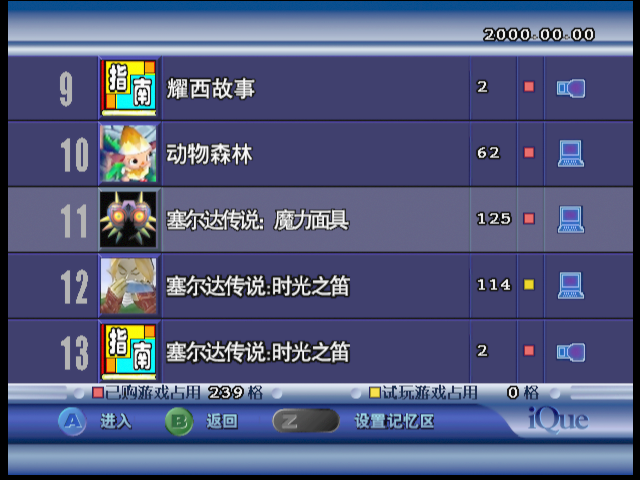
Particularly interesting is The Legend of Zelda: Majora’s Mask (塞尔达传说:魔力面具, Sàiěrdá Chuánshuō: Mólì Miànjù), which we know was present at some point on one of the consoles. This game was in development for the iQue Player and was teased on the back of the system’s box, and retail materials like images and buttons intended for iQue@Home were present on the CDS, but it was never released and a complete ROM has not yet been found.
On the console, we found a fully intact CMD for the game, but the actual game file had been deleted. Because of the filesystem used on iQue Cards, we had assumed that this meant any leftover data would be unrecoverable, as the data showing which order each block should go in is erased along with the file entry. However, luckily, it transpired that all of the data that had escaped being overwritten was contiguous and sequential, making it possible to extract and decrypt almost 10MiB of the game.
While most of this data is unfortunately largely uninteresting – being the end of the ROM, it contains models and textures rather than code – all of the English text in the images has been fully translated, meaning this was likely either a very late prototype or the final build. This is in stark contrast to the assets found in the Gigaleak, which come from an early stage in the porting process and represent only a handful of prerendered images. There is a non-zero chance that one of the other prerelease consoles that we were not able to acquire has a build of the game on it; we urge the owner of those consoles to reach out so that we can preserve them.
The three consoles with beta kernels use a different set of signing certificates to retail, and so all of the games on them were re-signed and re-encrypted using different keys. The decrypted game data is otherwise unchanged.
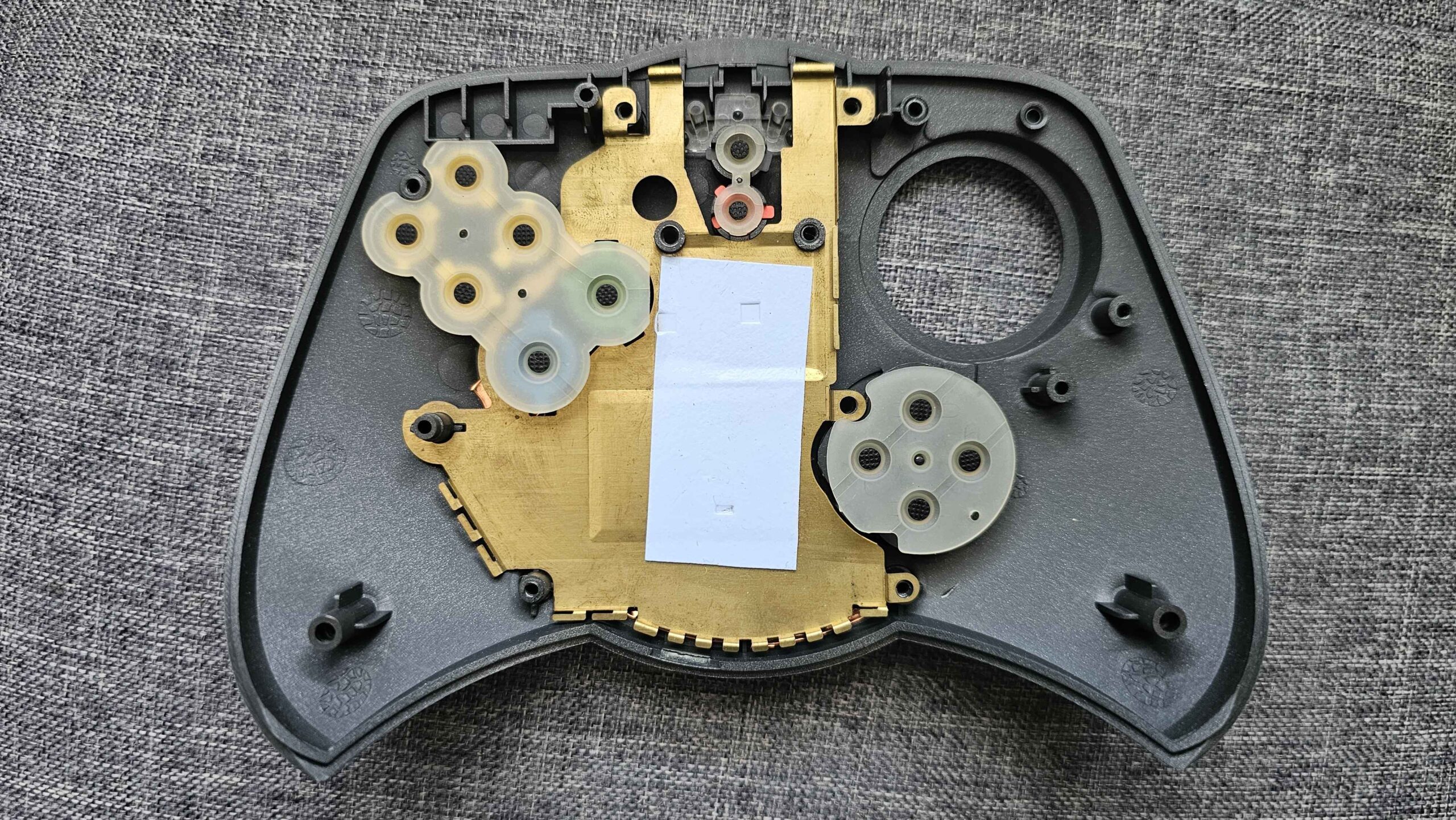
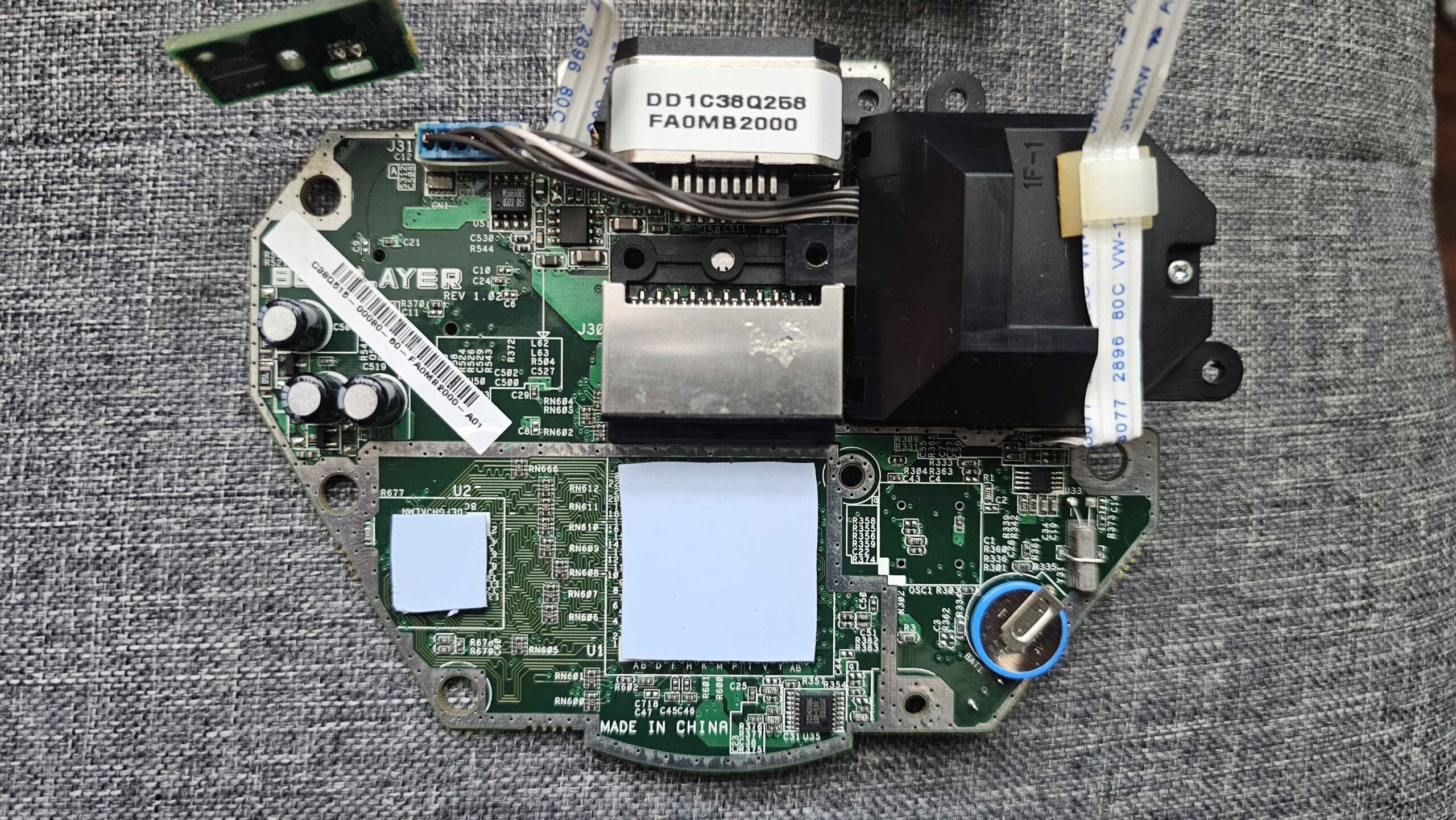
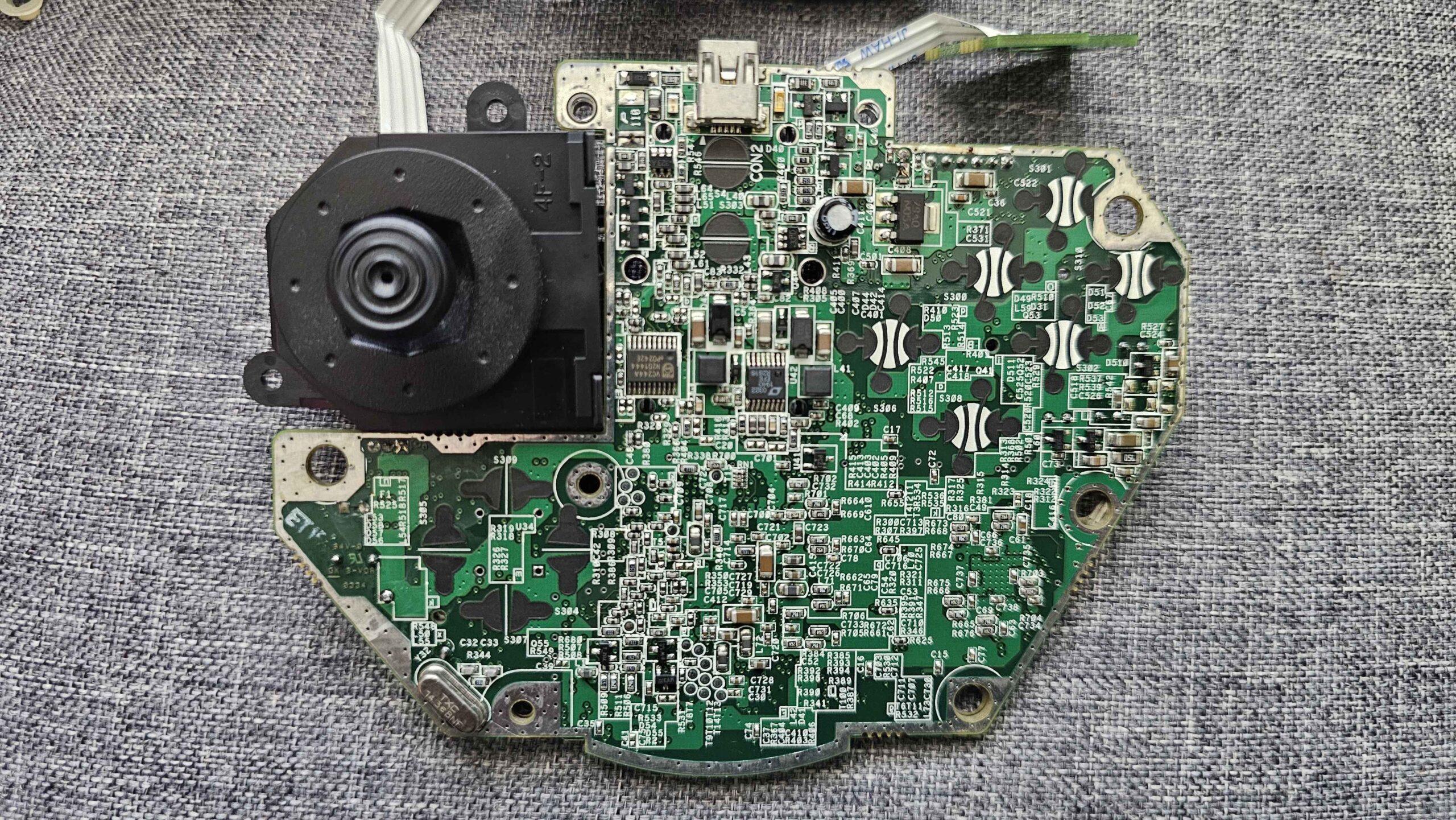
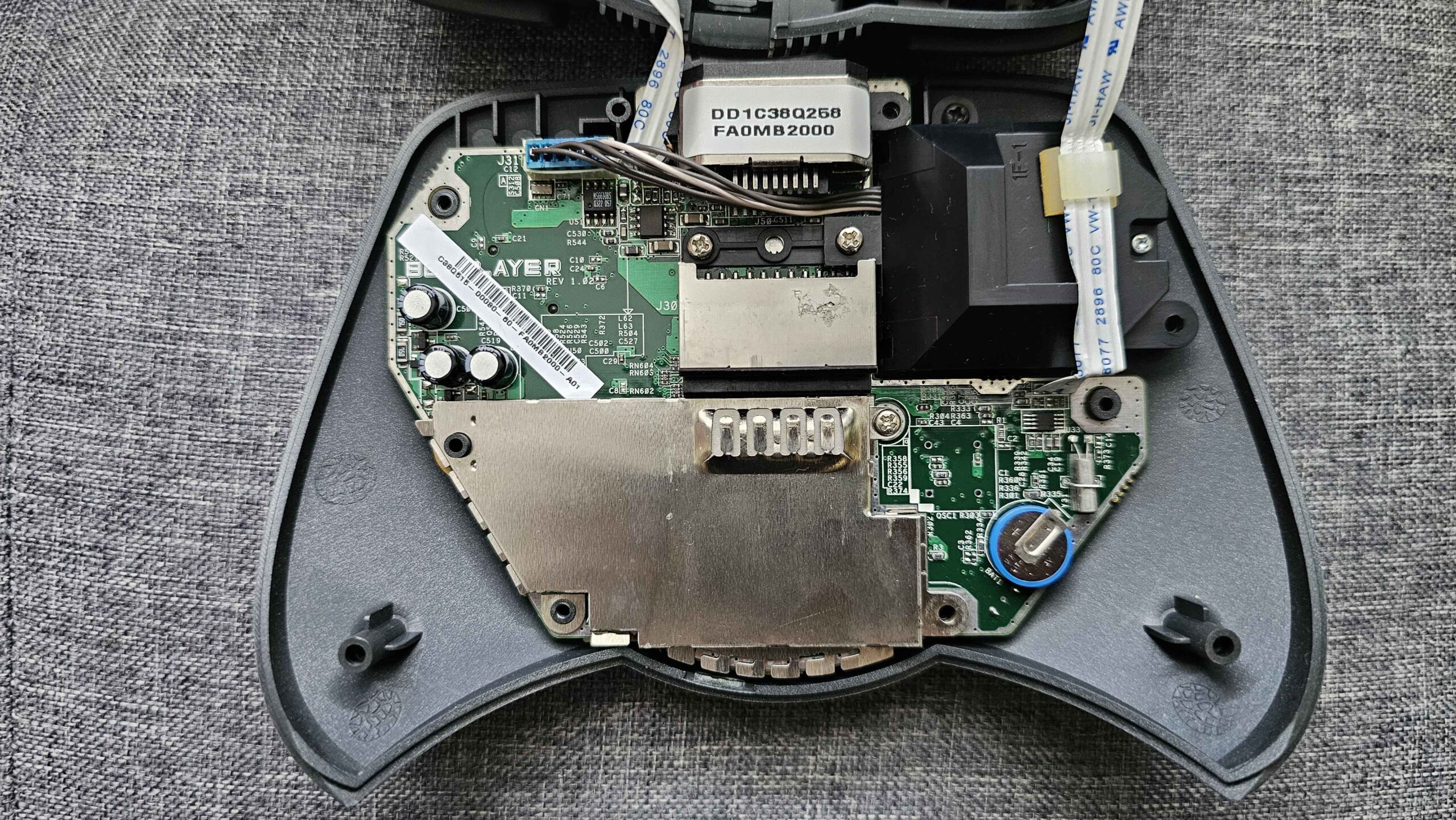
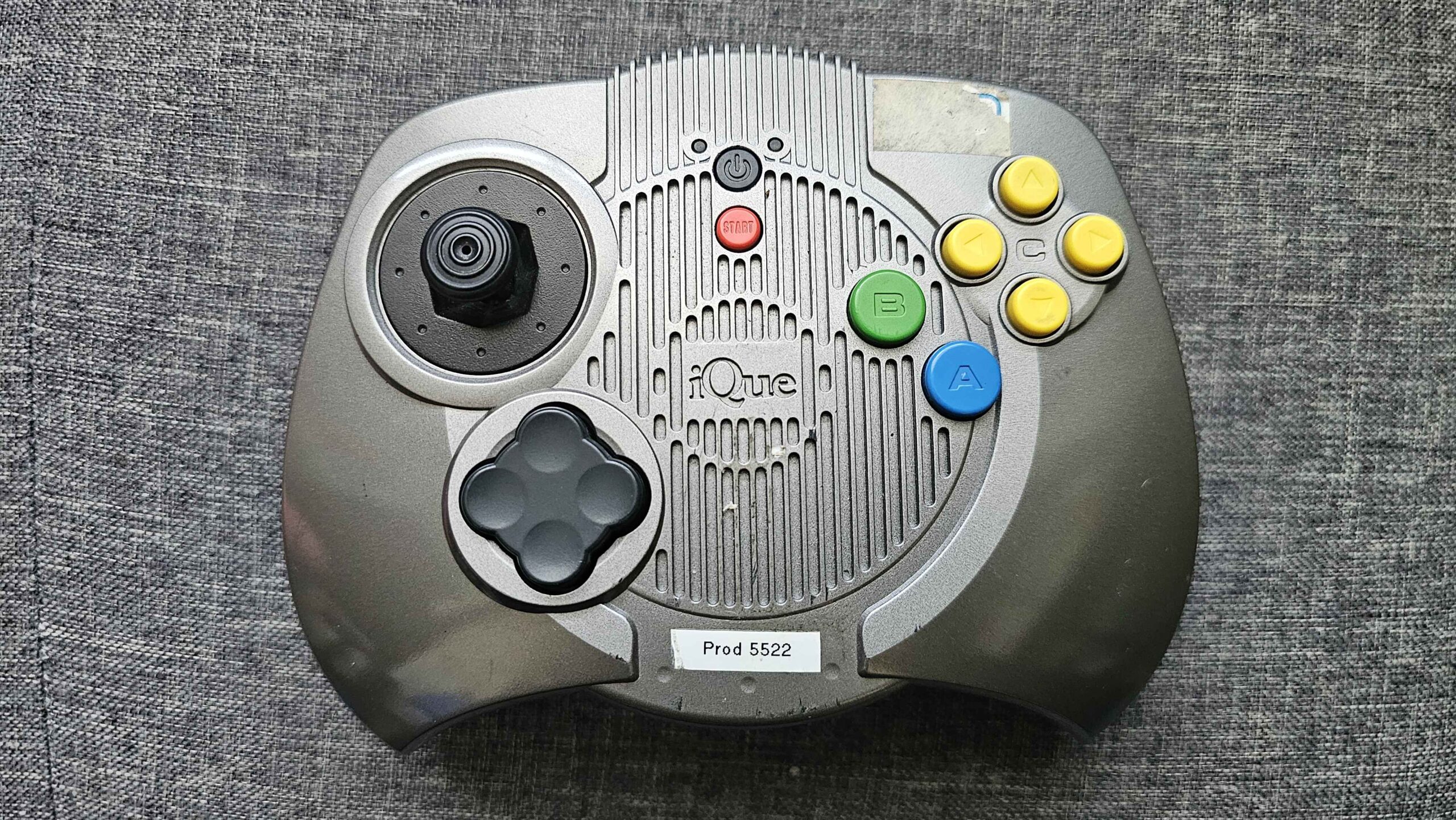
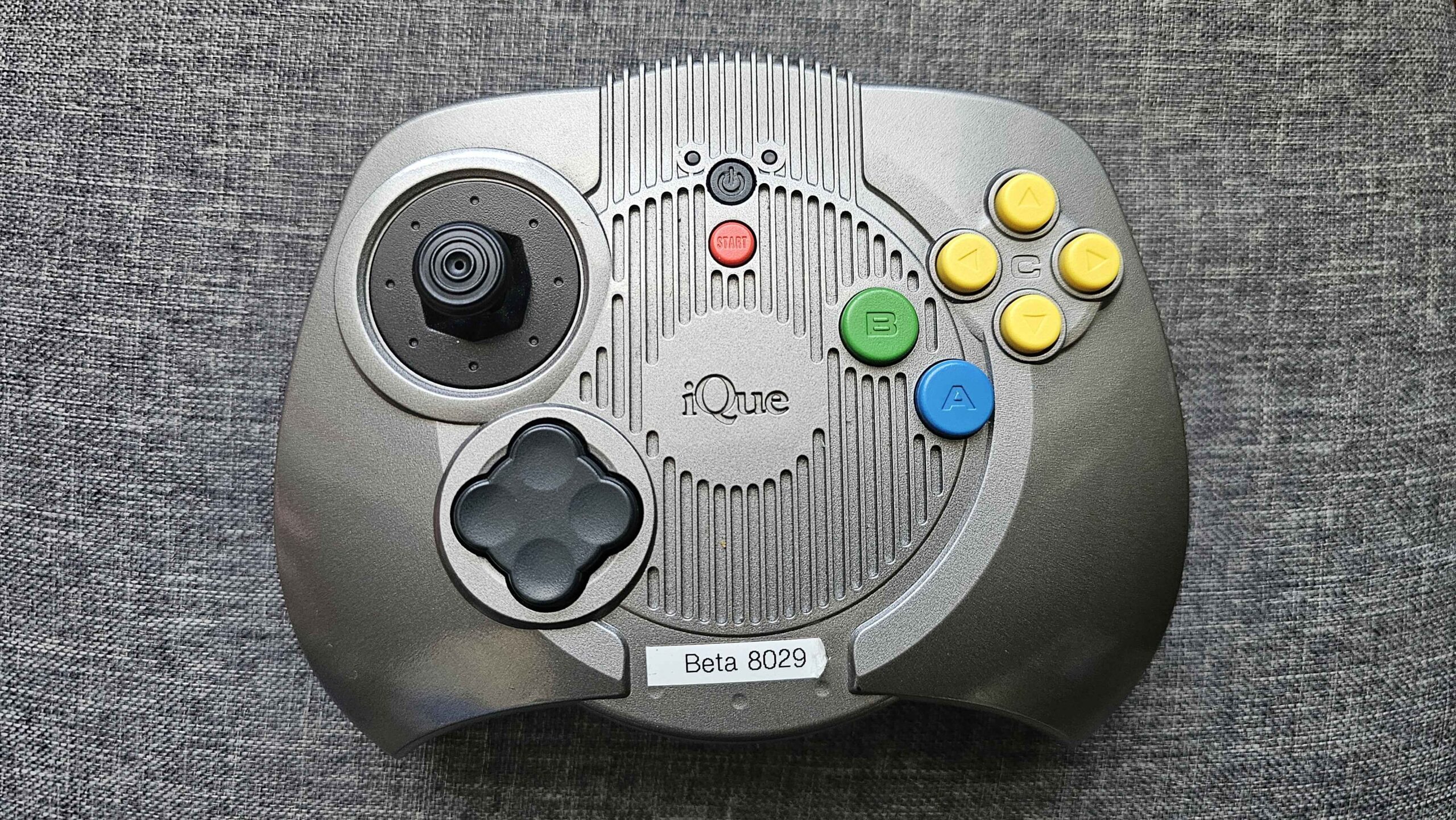
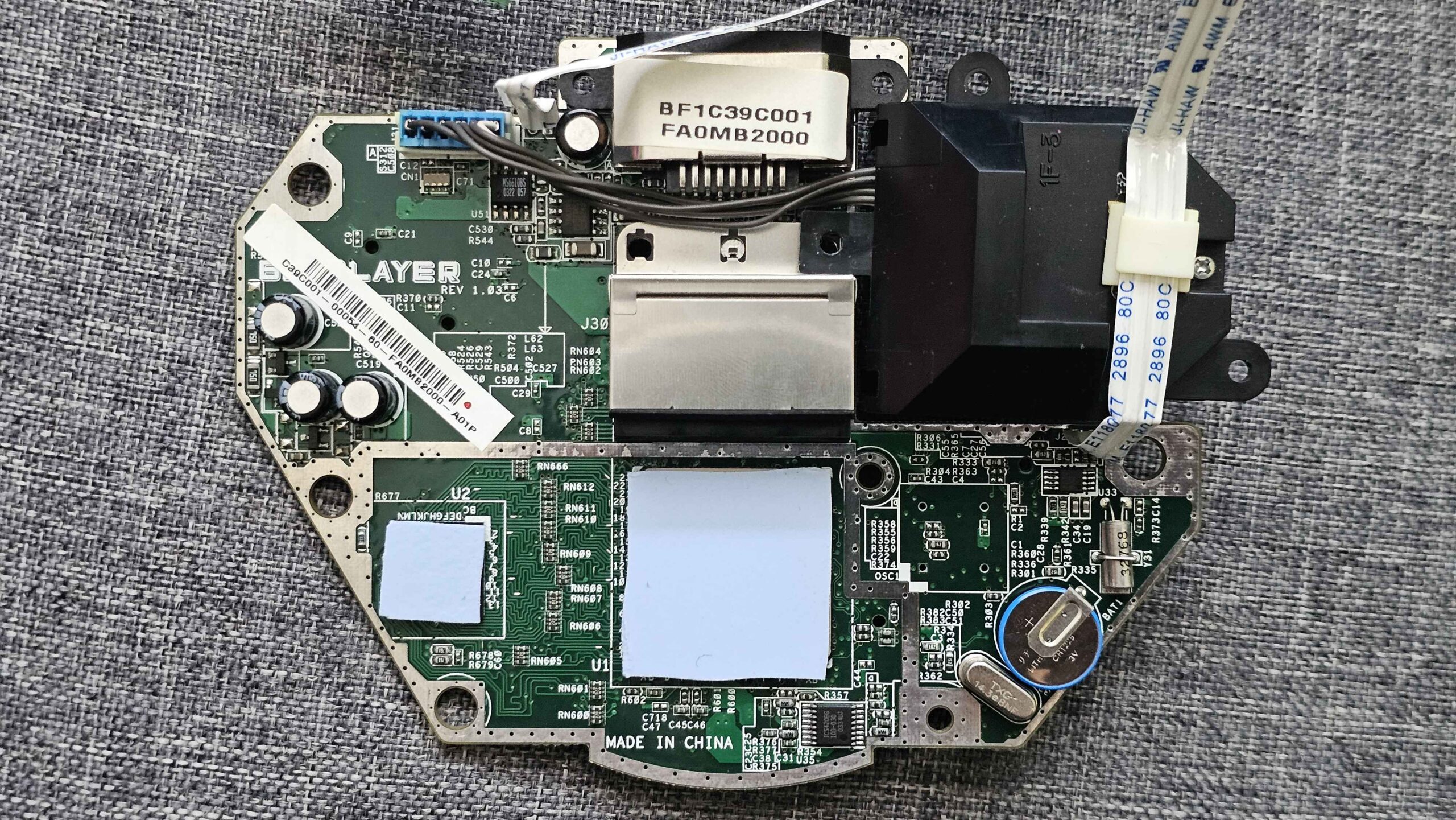
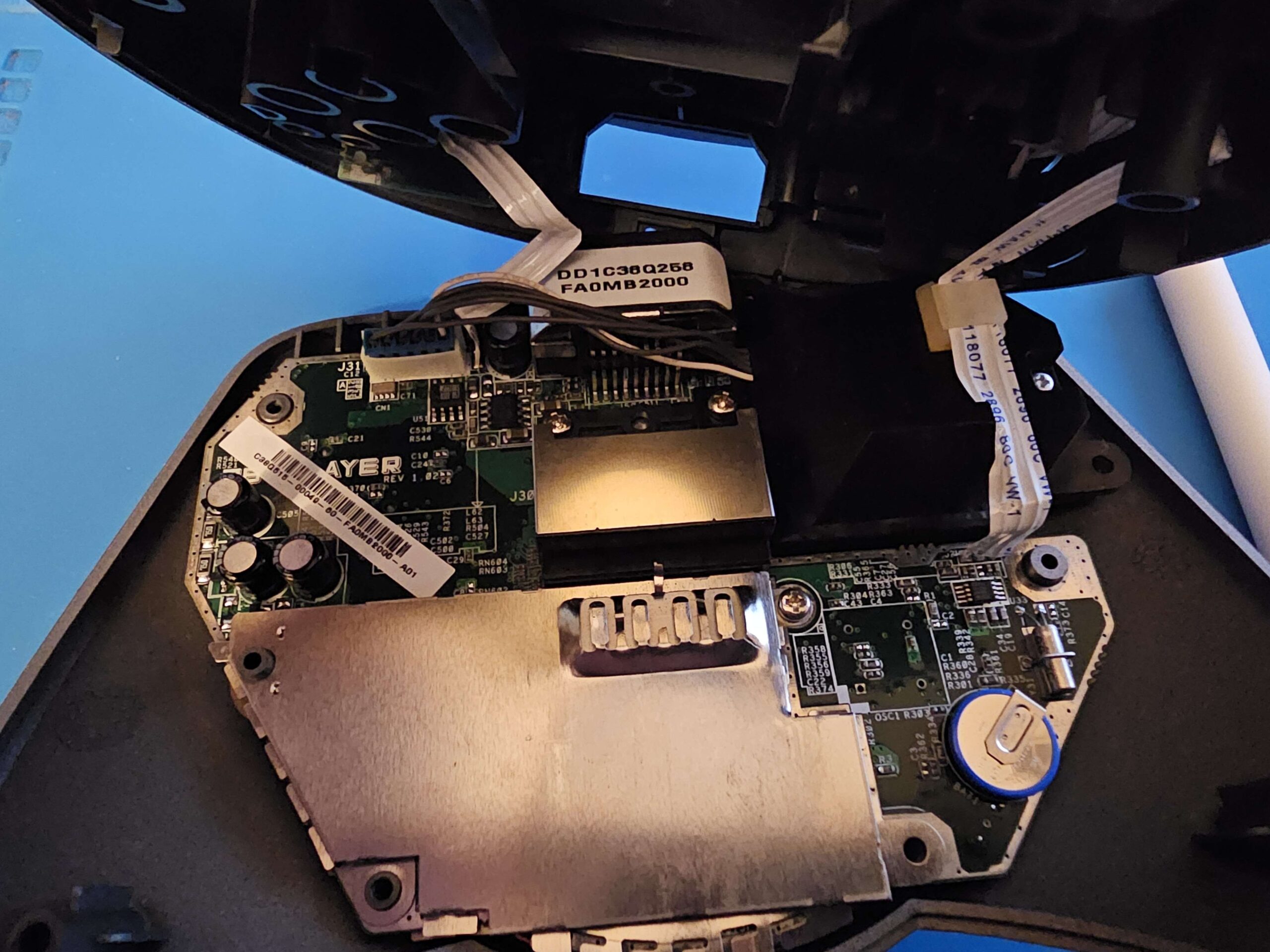
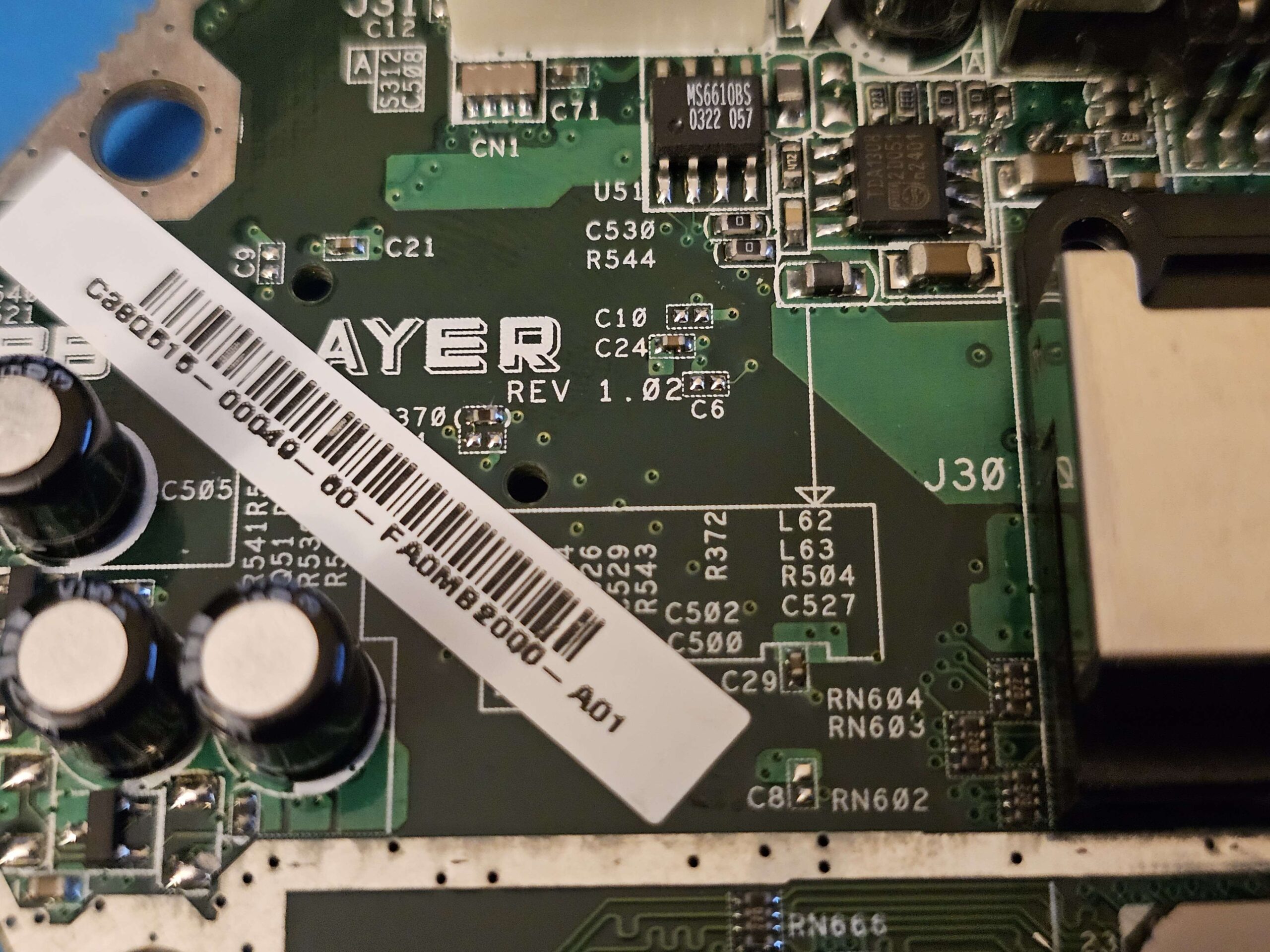
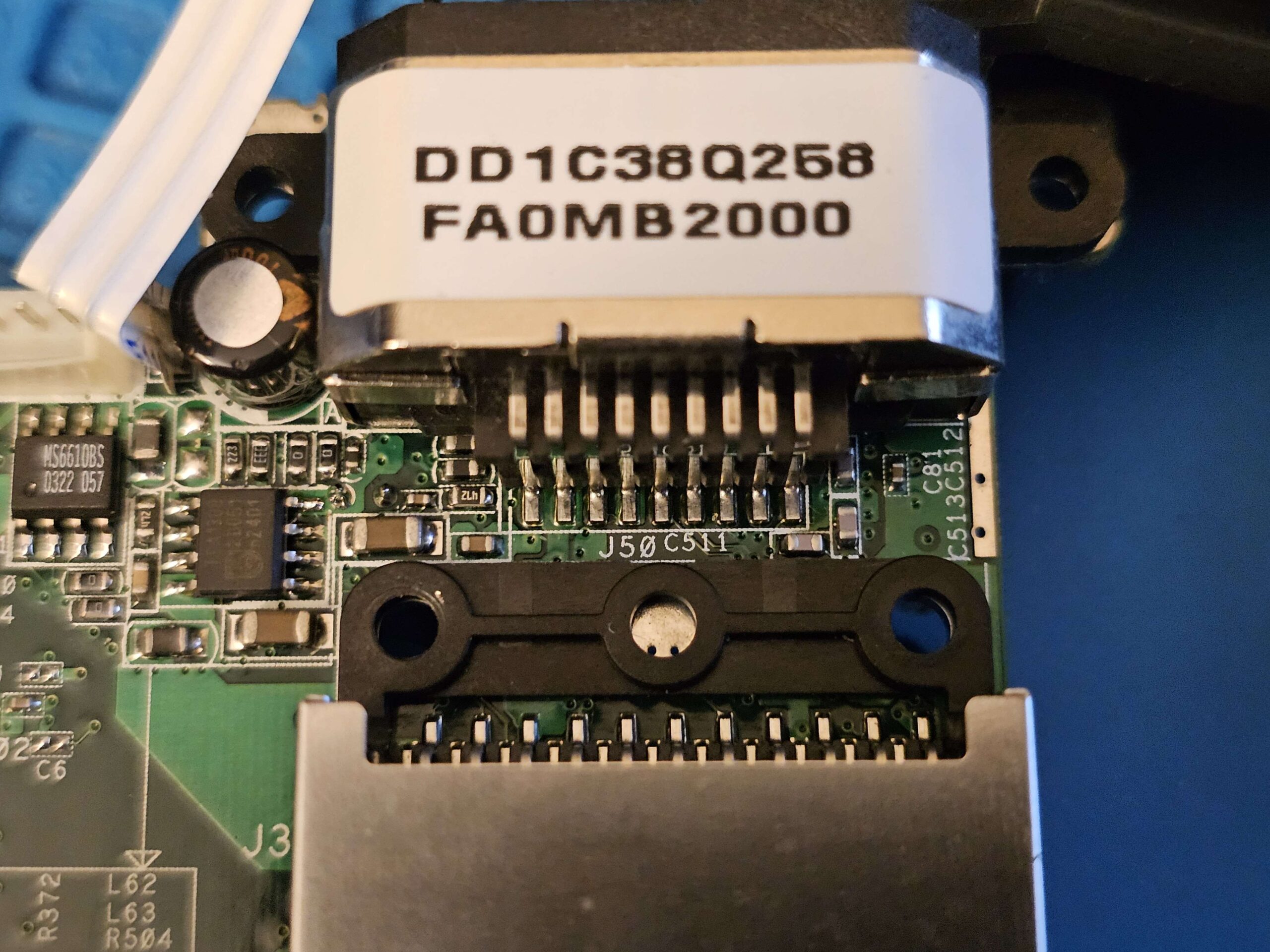
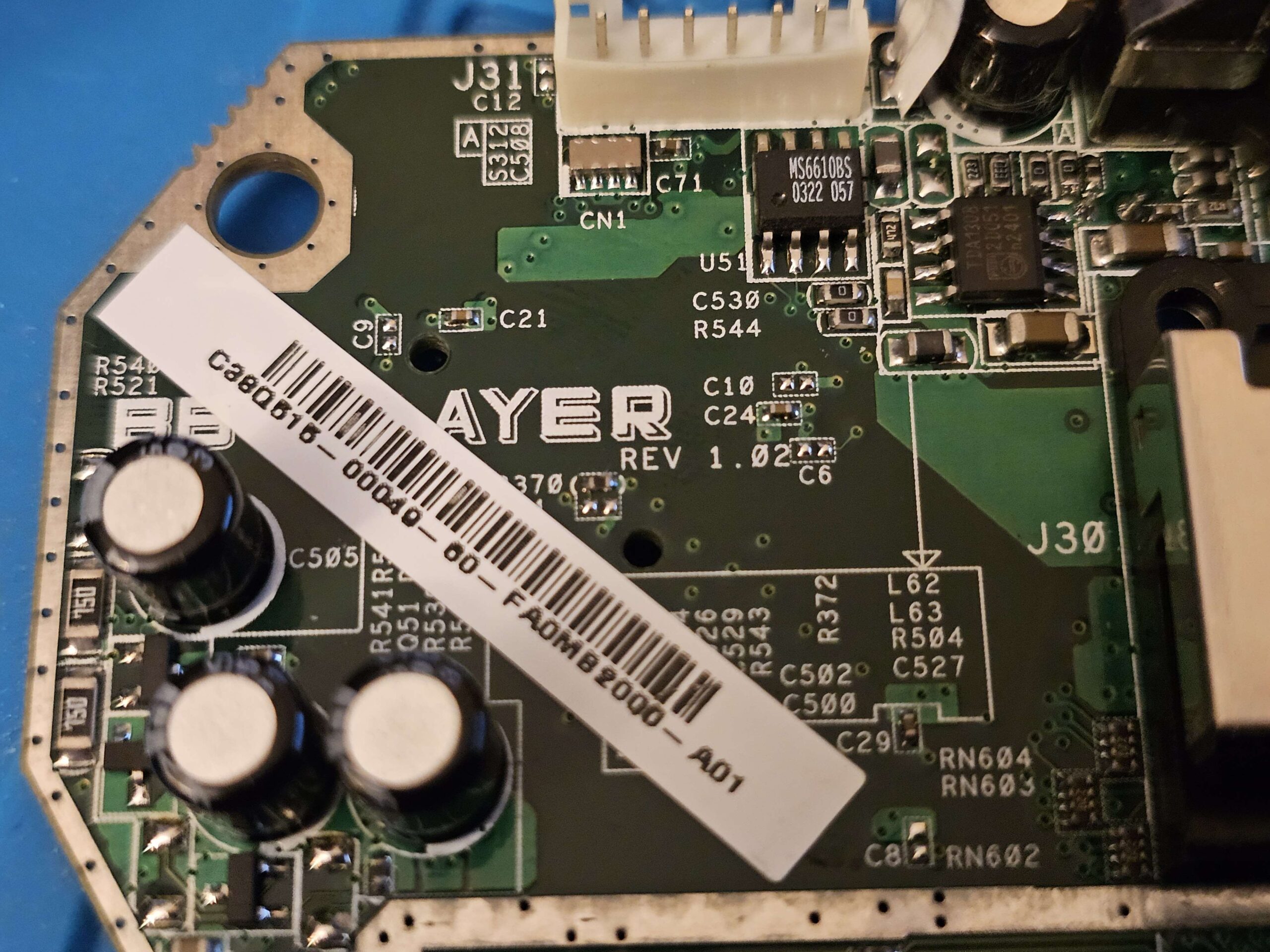
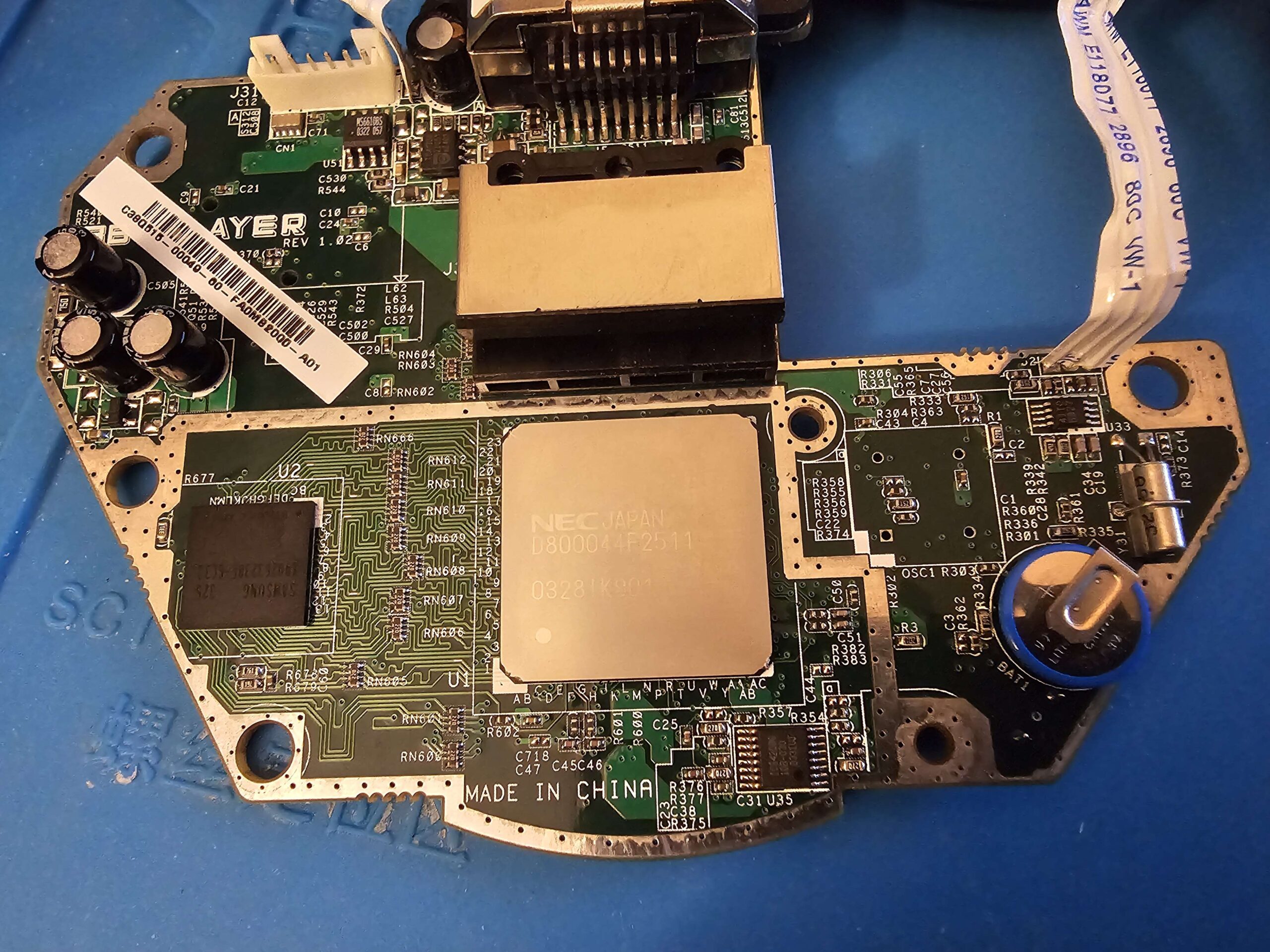
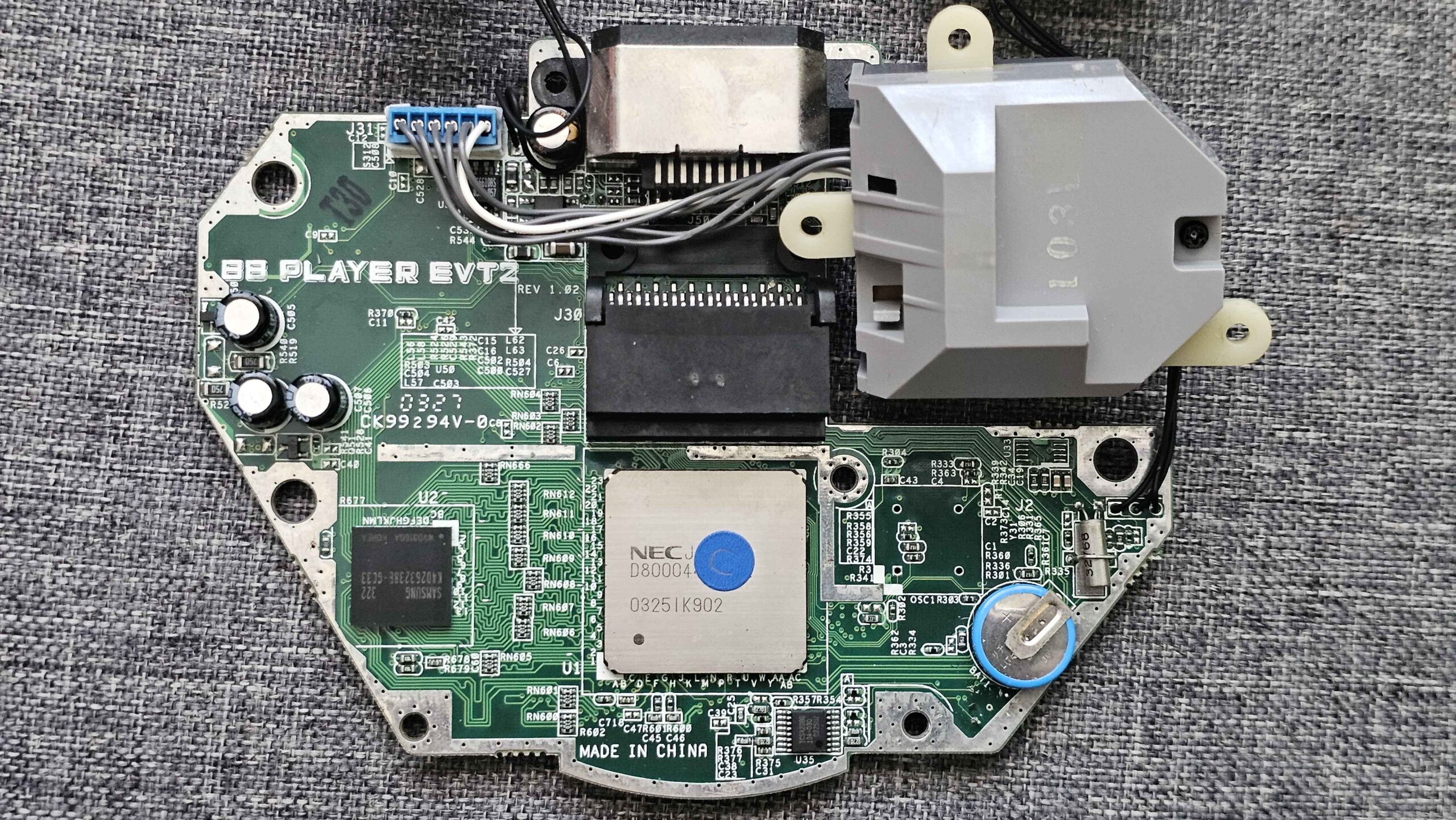
Two of the consoles appear very similar to retail hardware externally. The shell is almost identical to retail, aside from the iQue logo prominently displayed on the front being a little different. These consoles both have revision 1.02 ‘BB PLAYER’ motherboards (note: BB or BB Player is the internal name for the iQue Player; it is not known what ‘BB’ means). One of the consoles seems to be identical to retail hardware. The shell is the same as retail and the motherboard is revision 1.03 ‘BB PLAYER’, identical to retail.
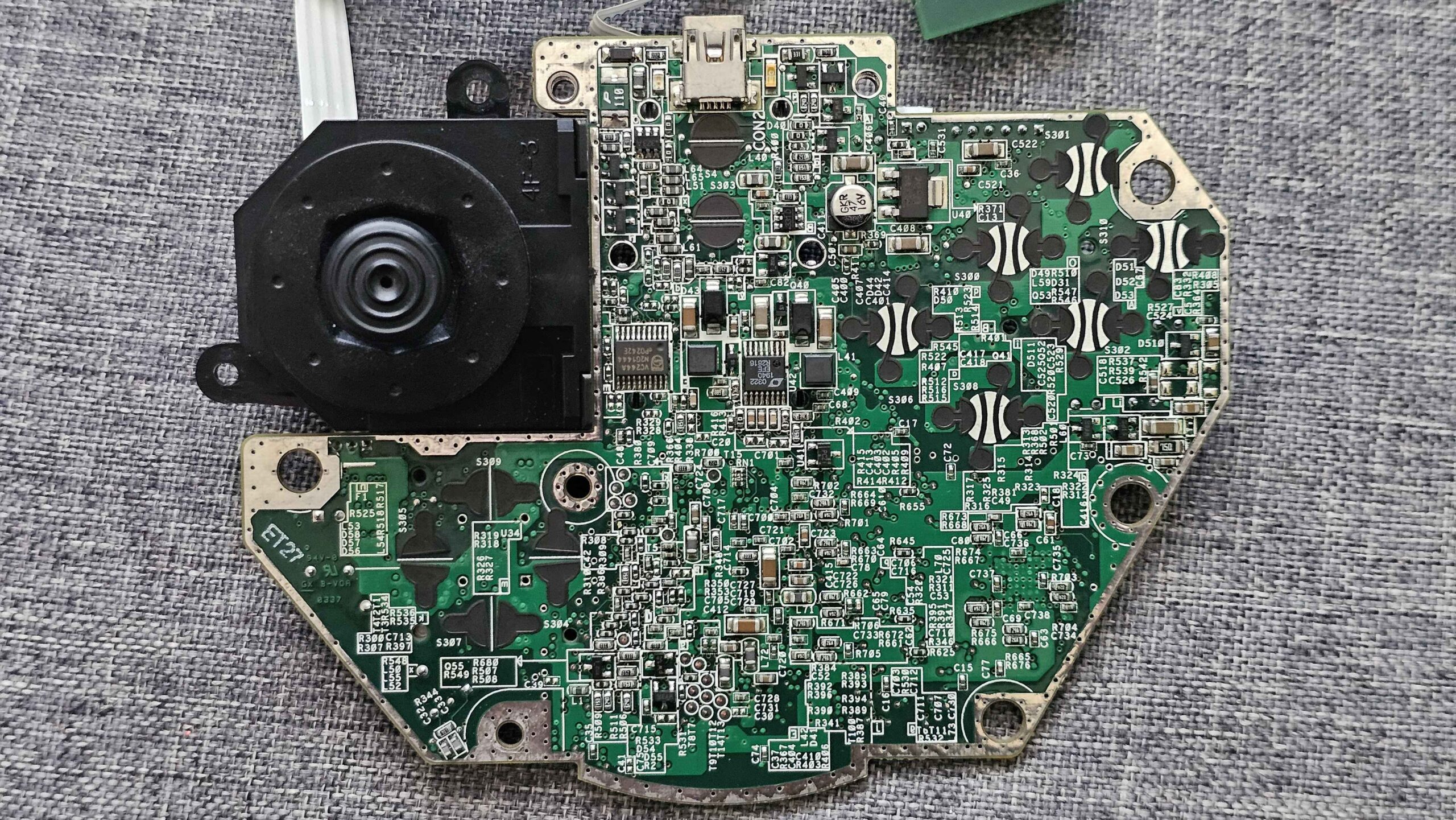
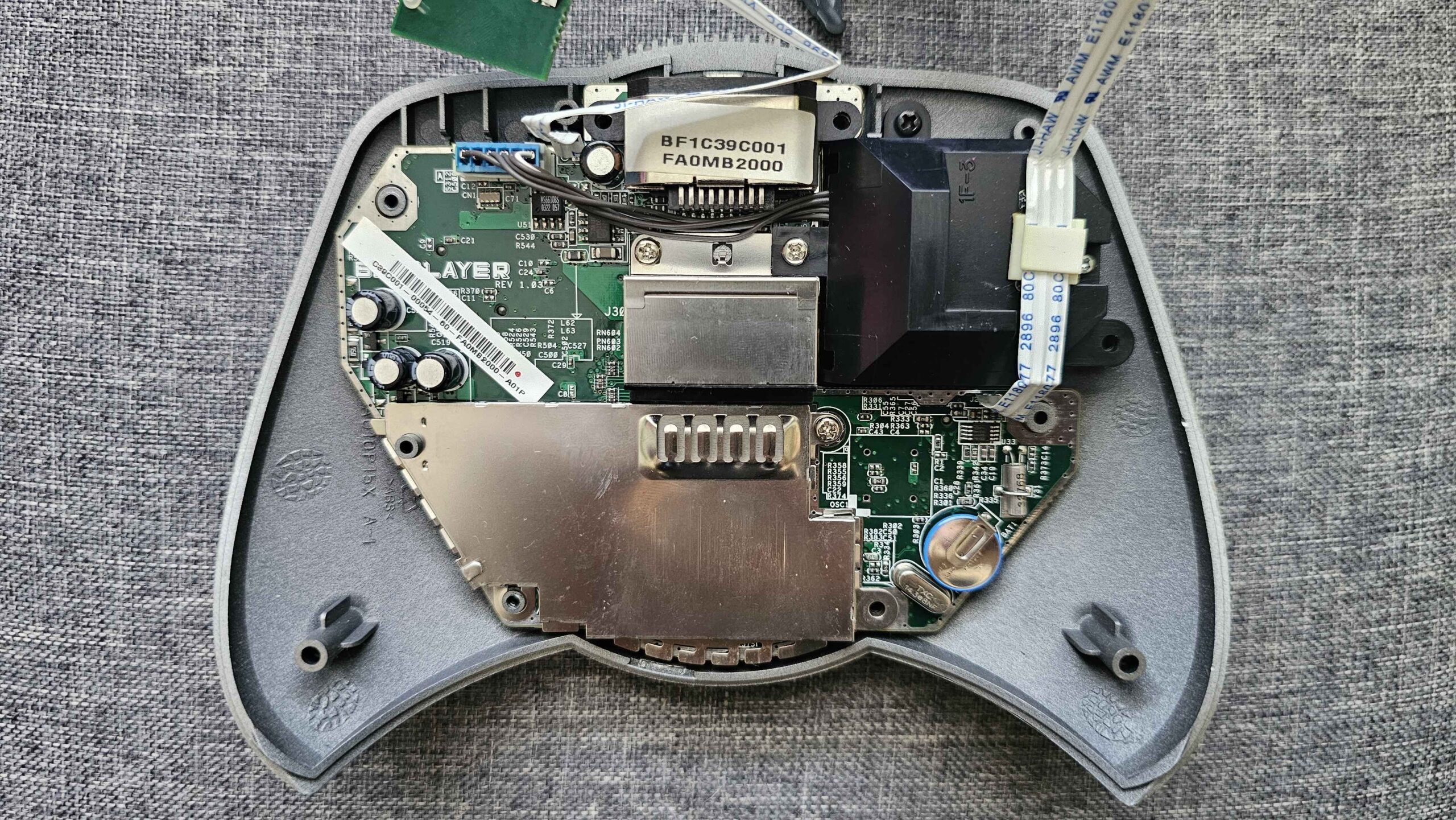
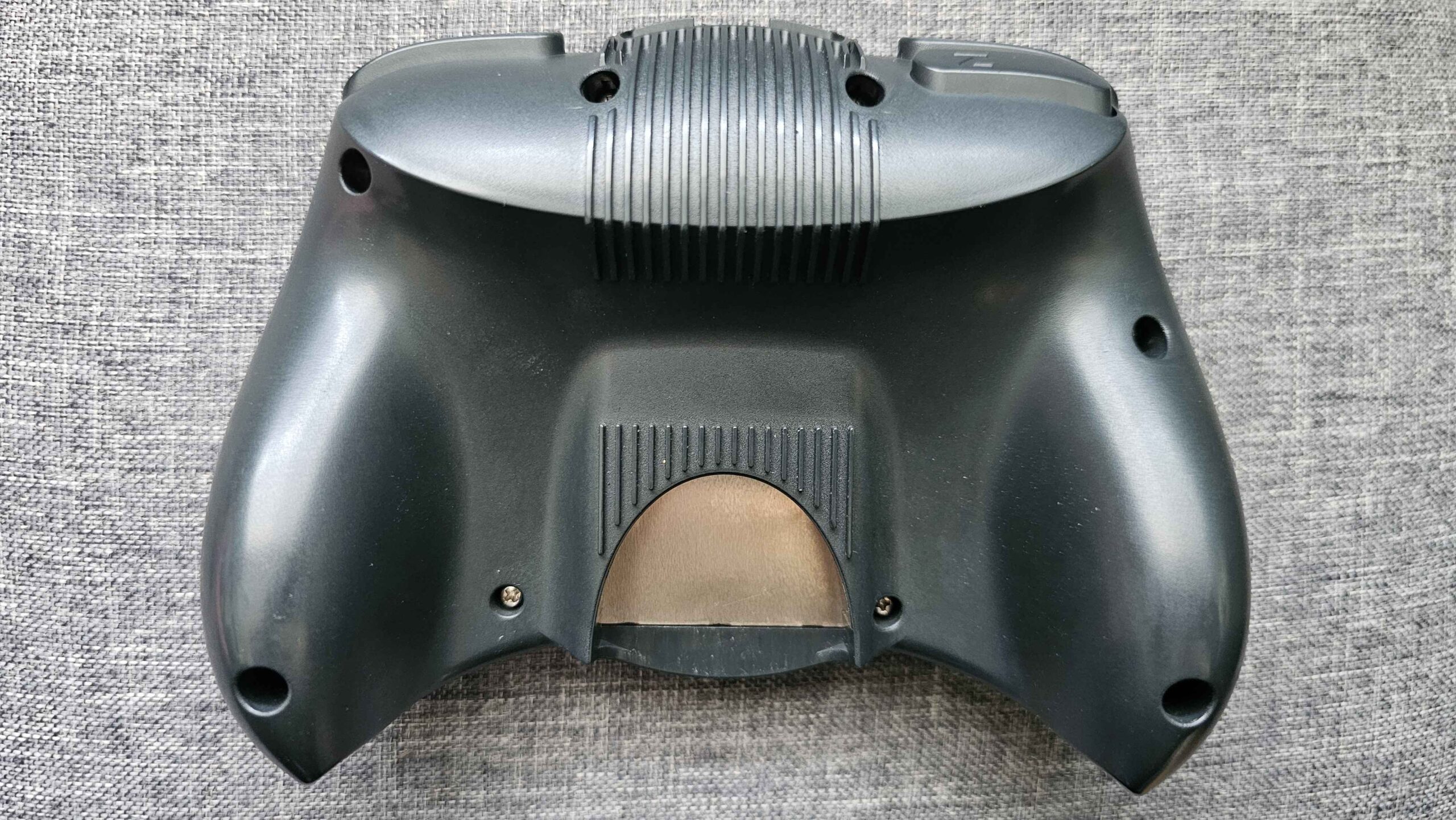
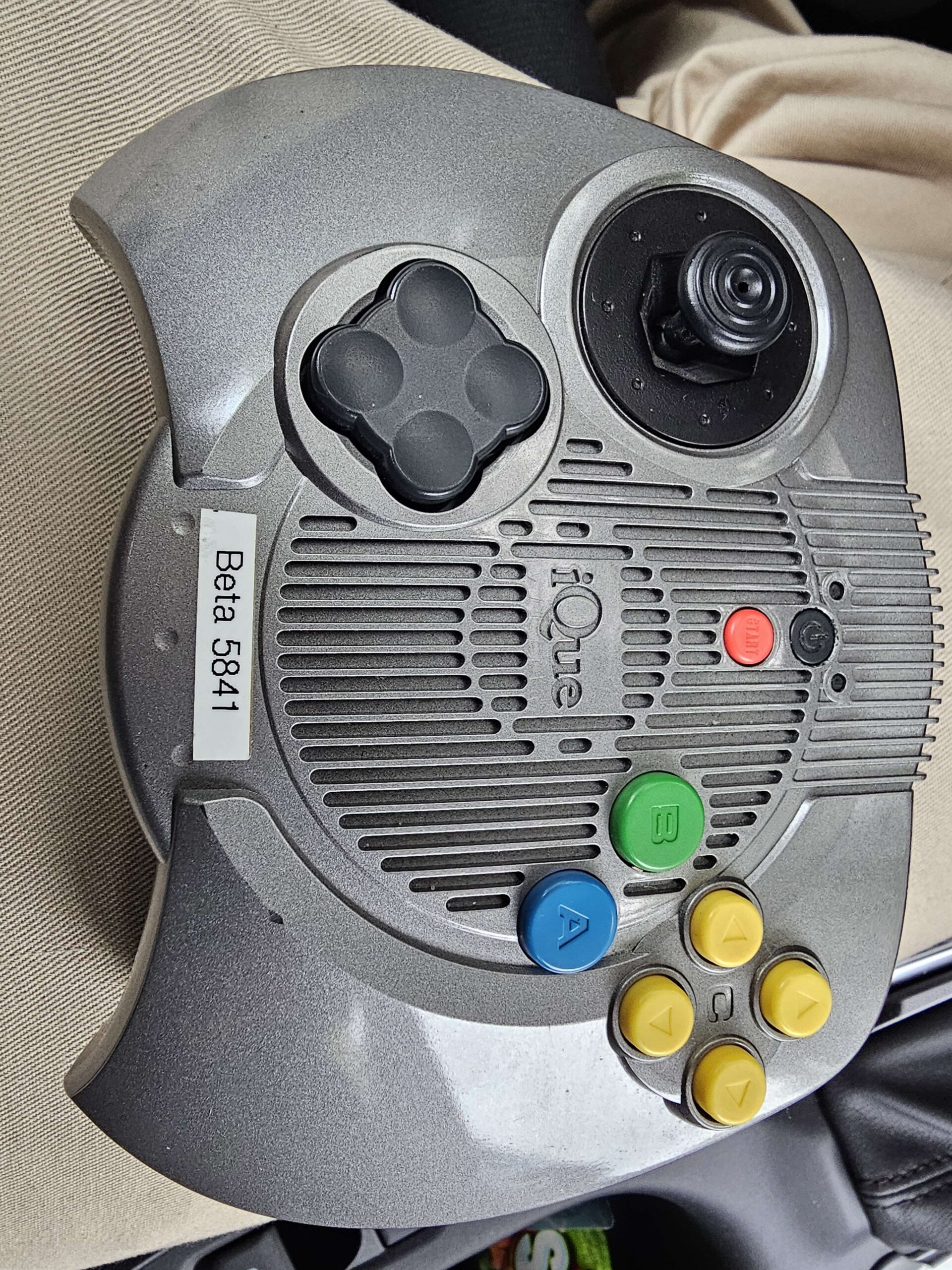
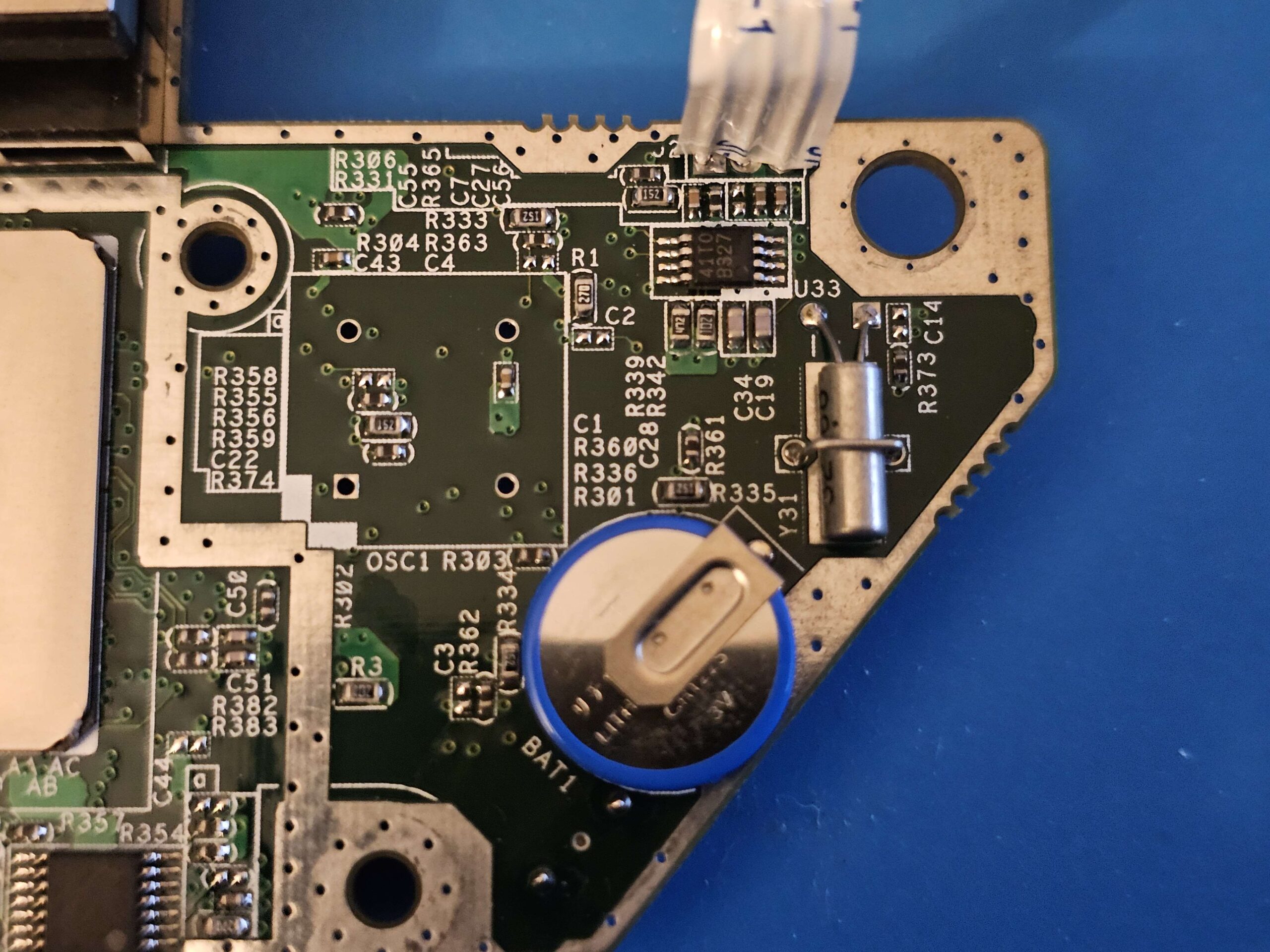
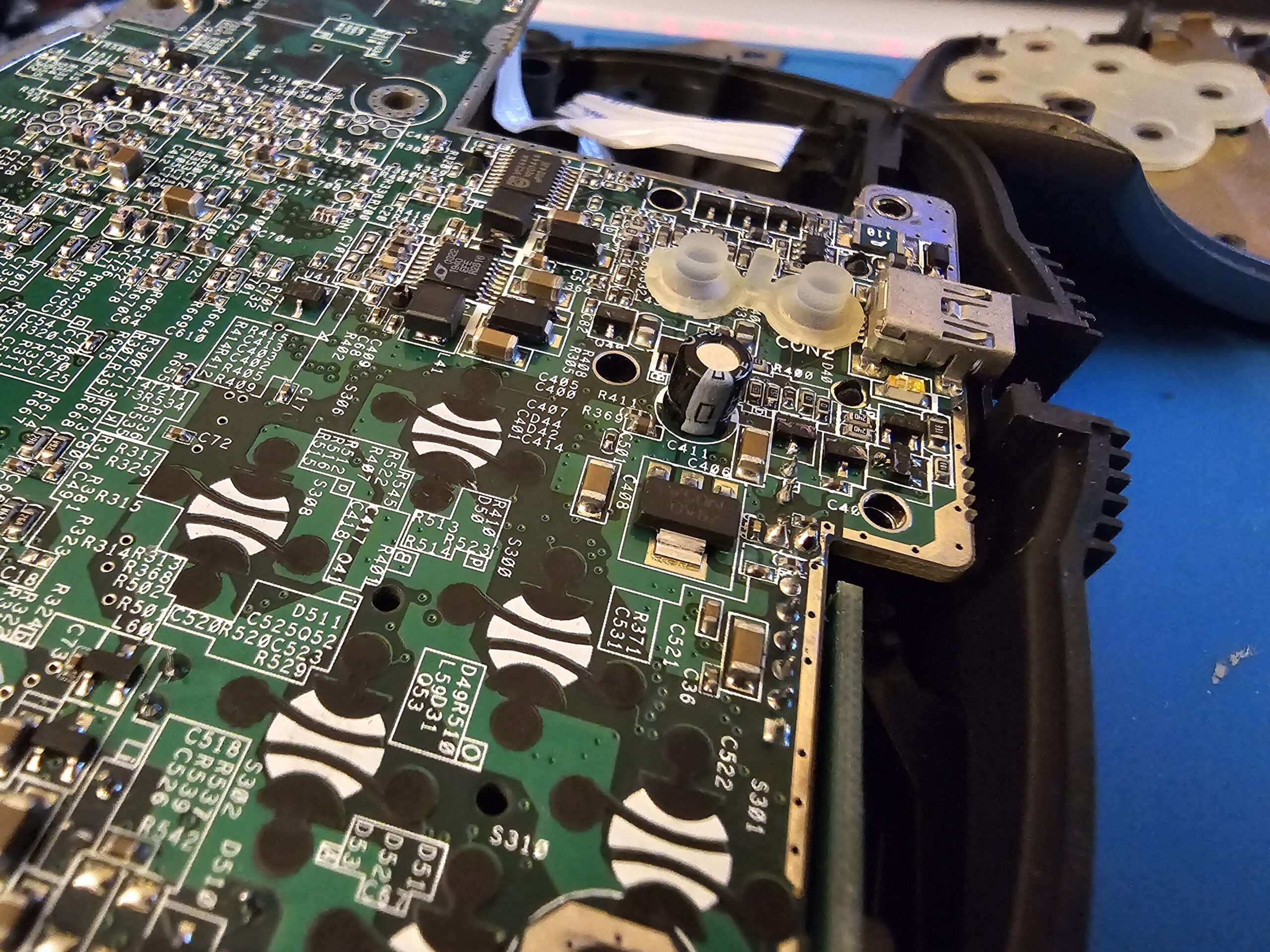
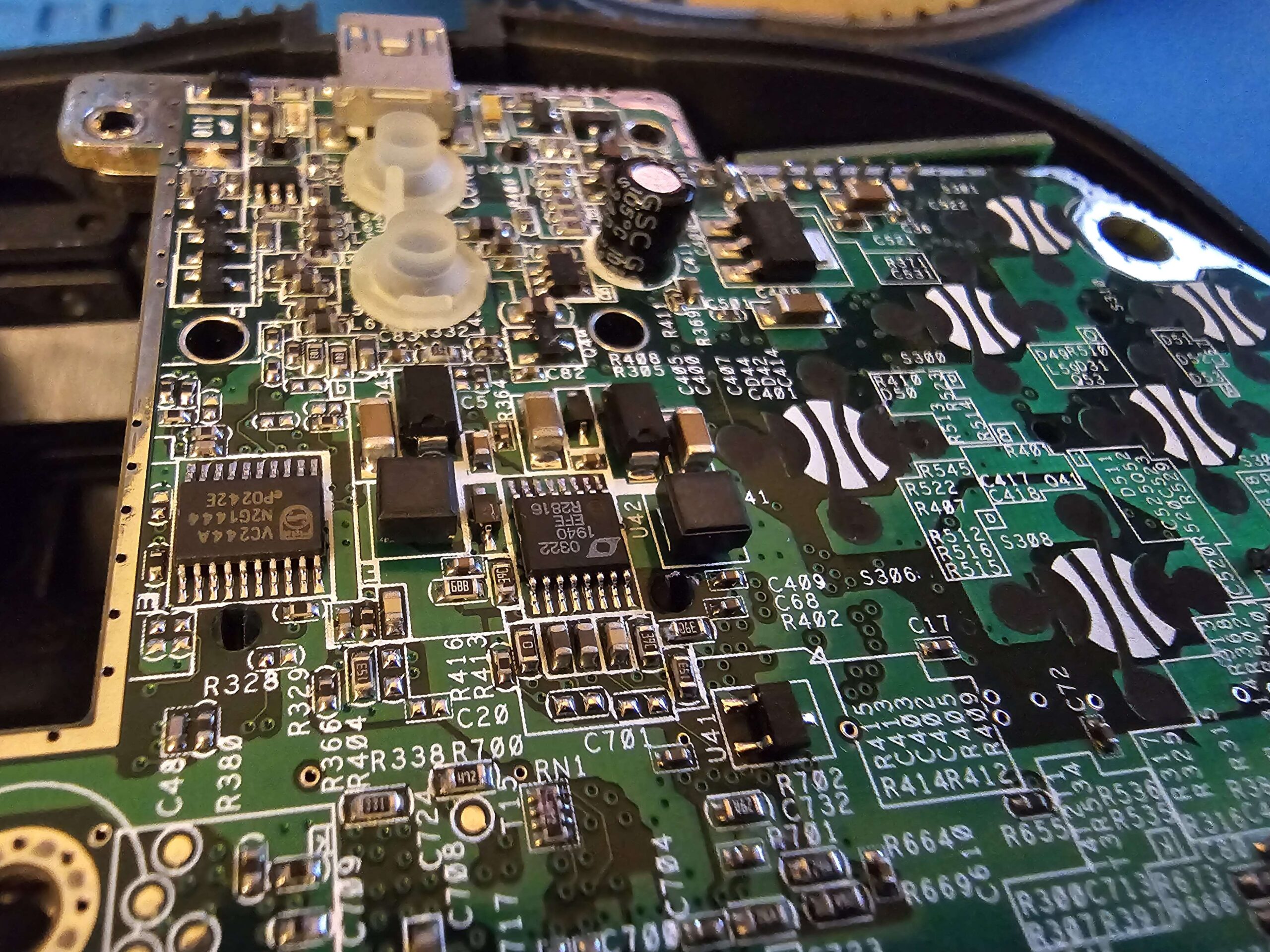
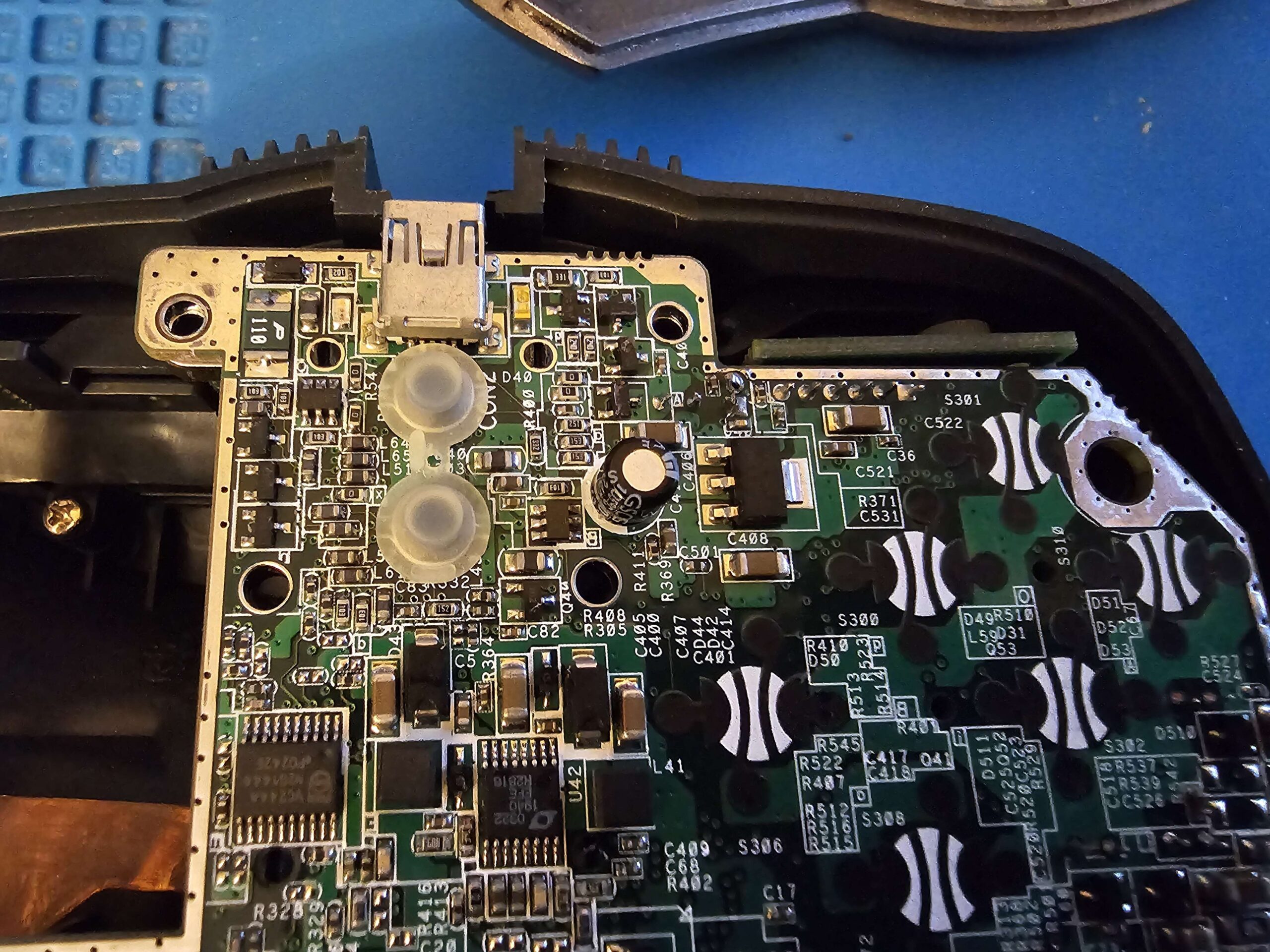
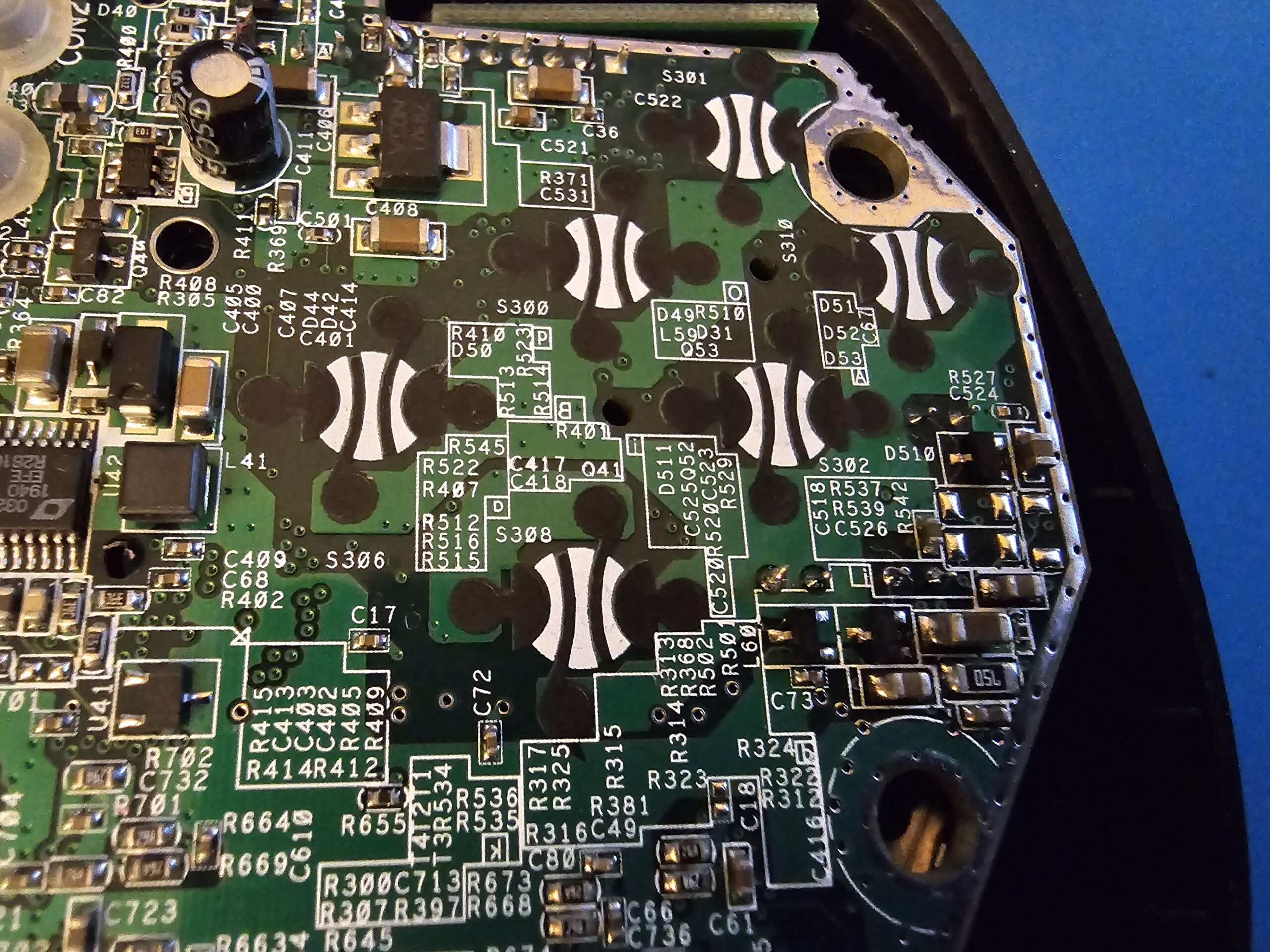
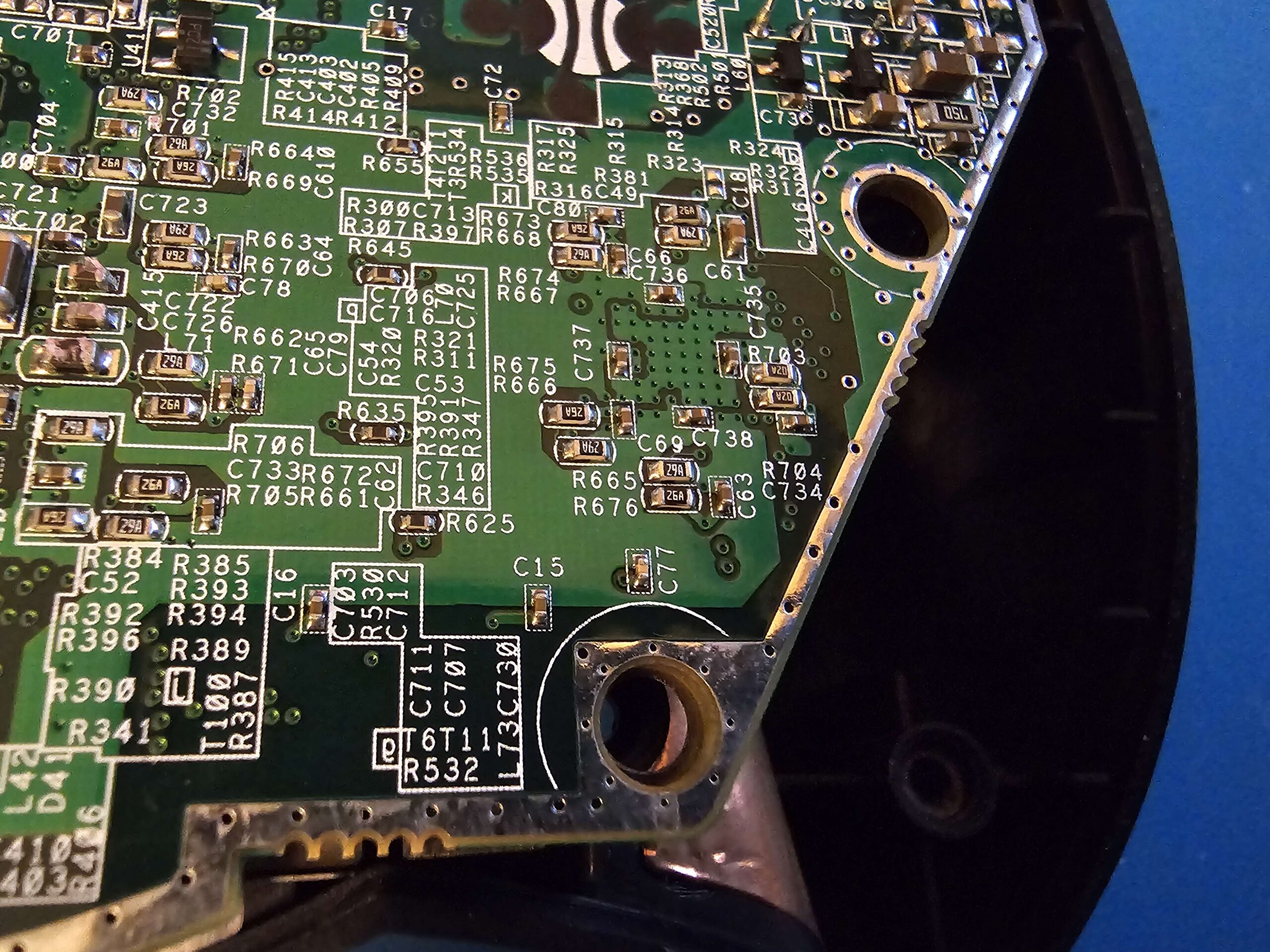
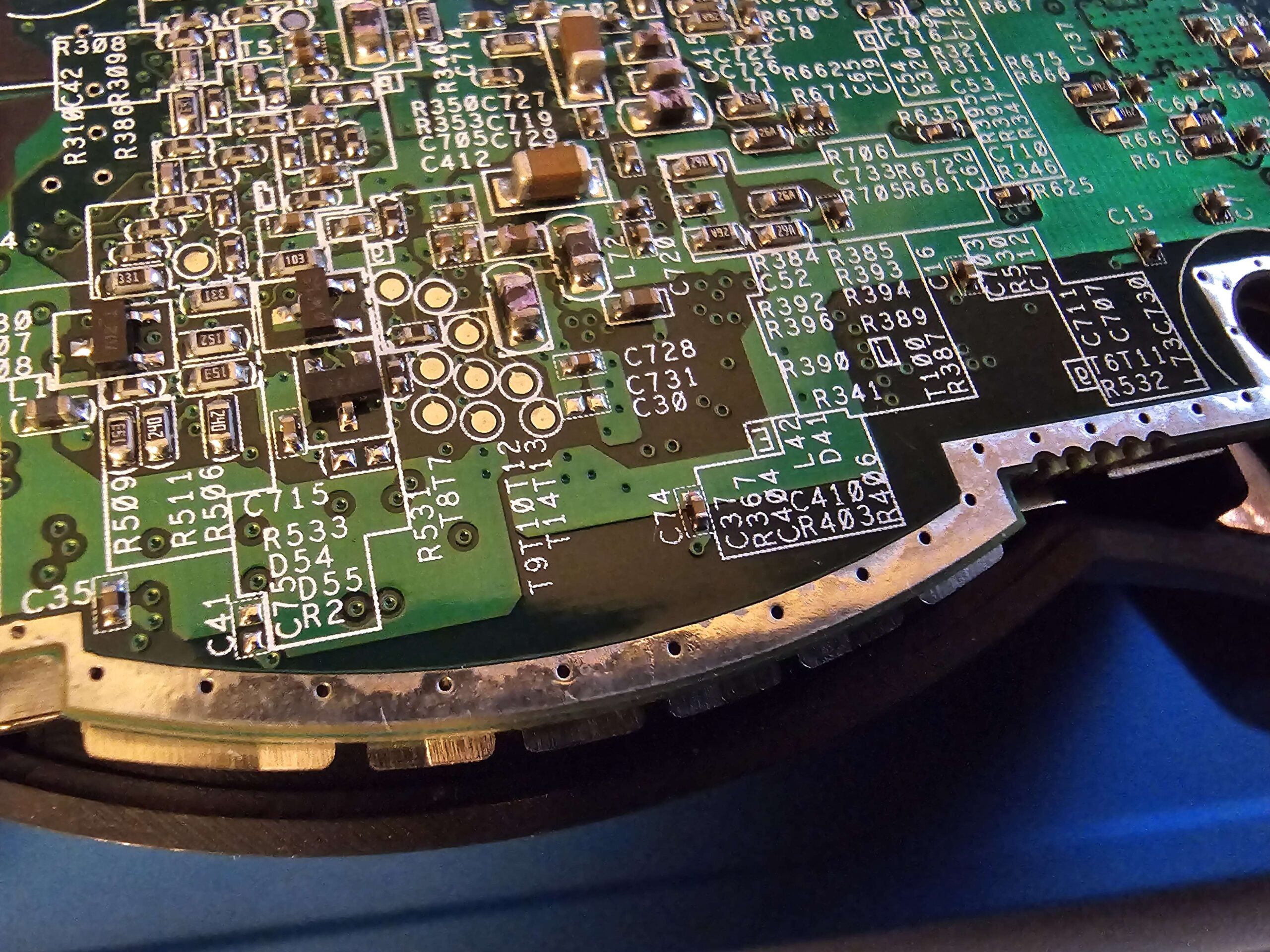
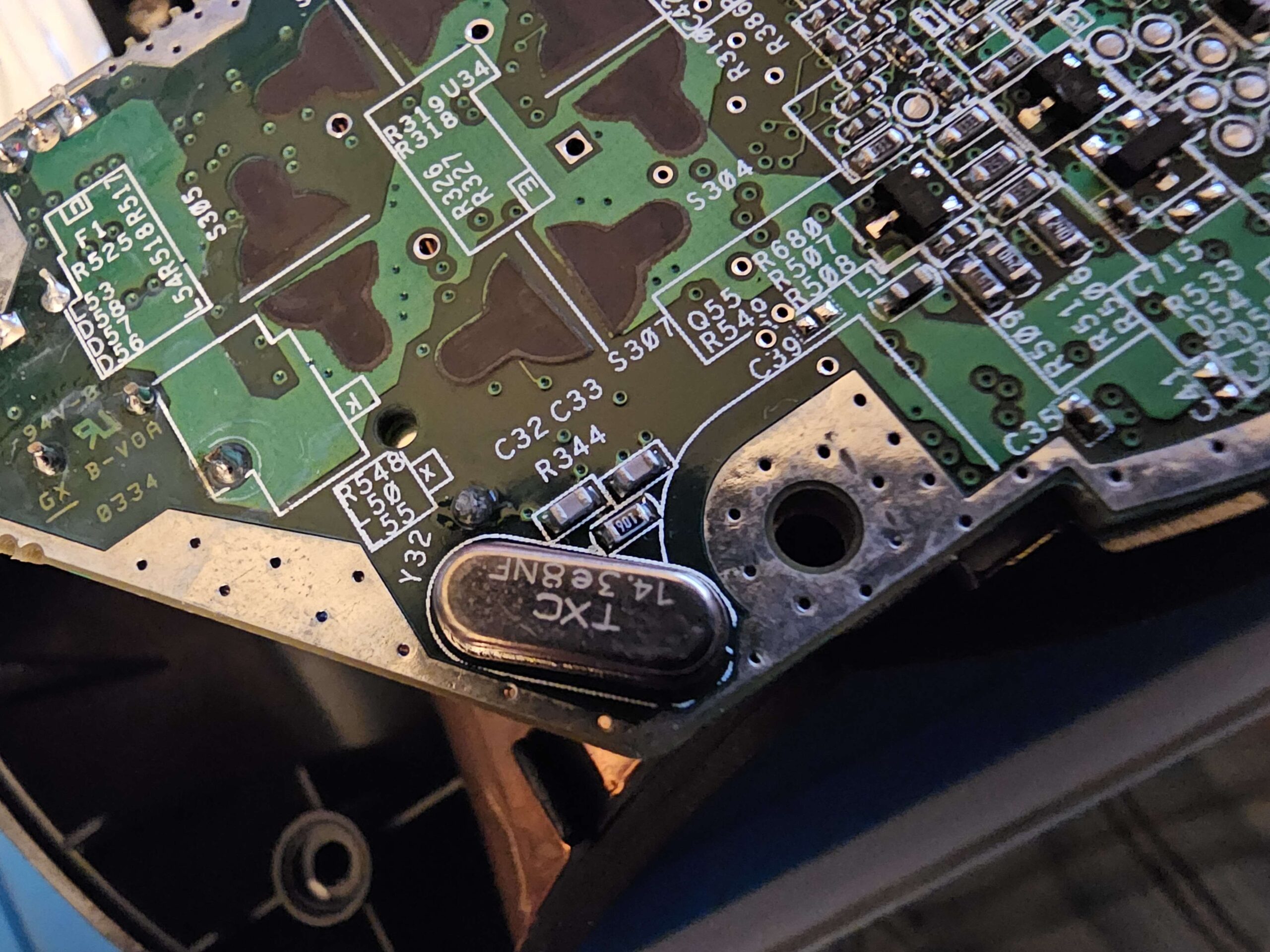
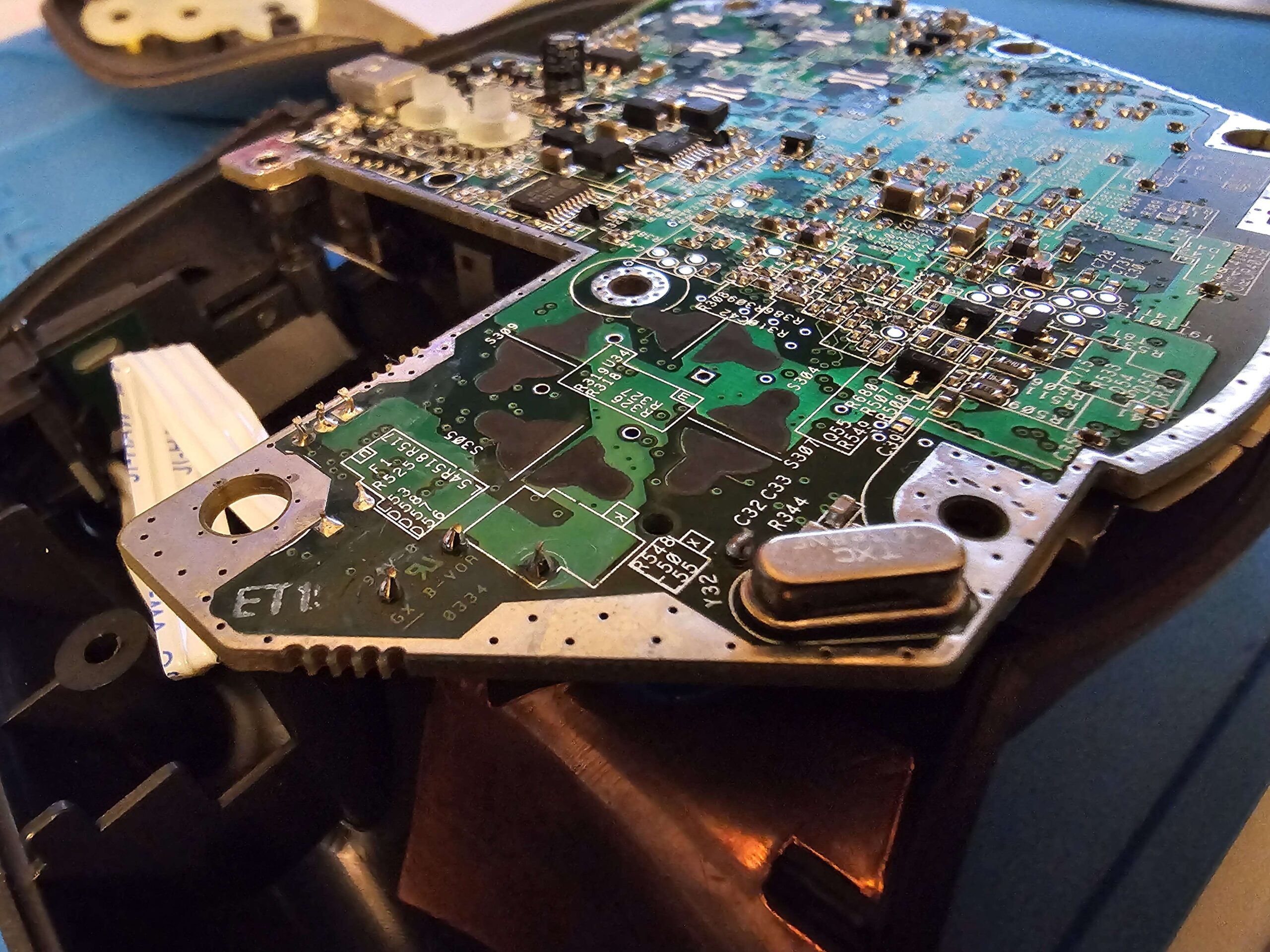
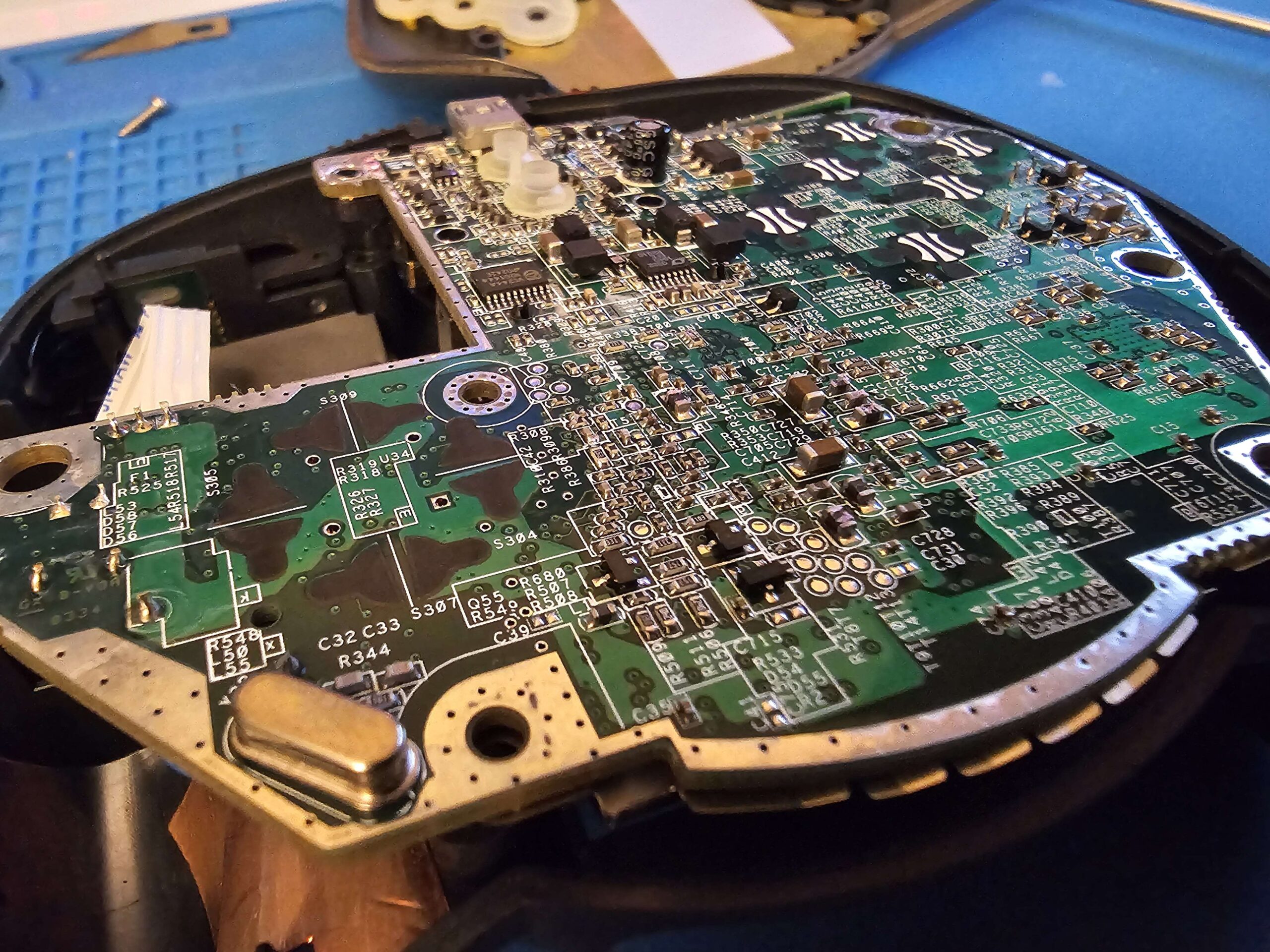
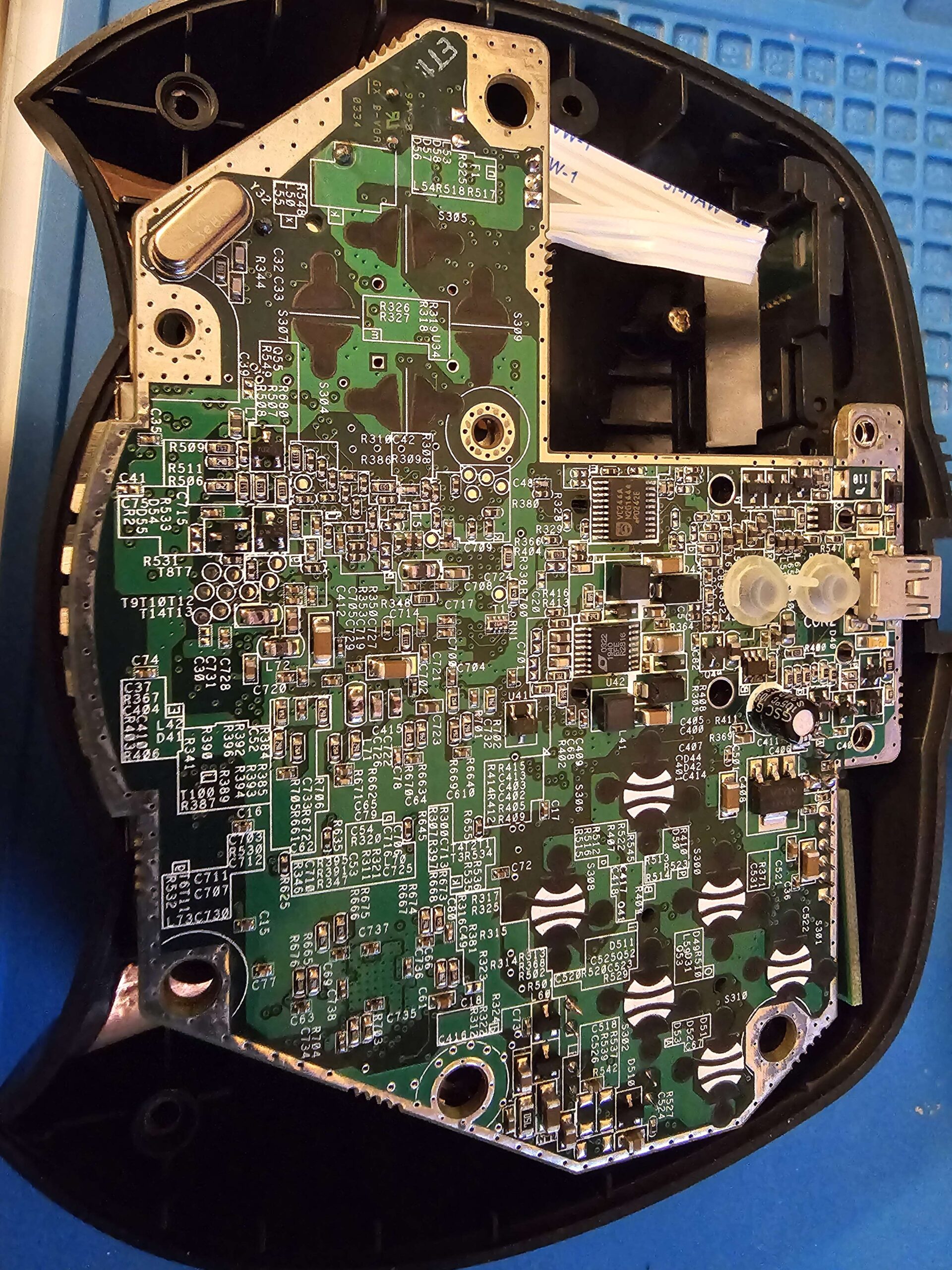
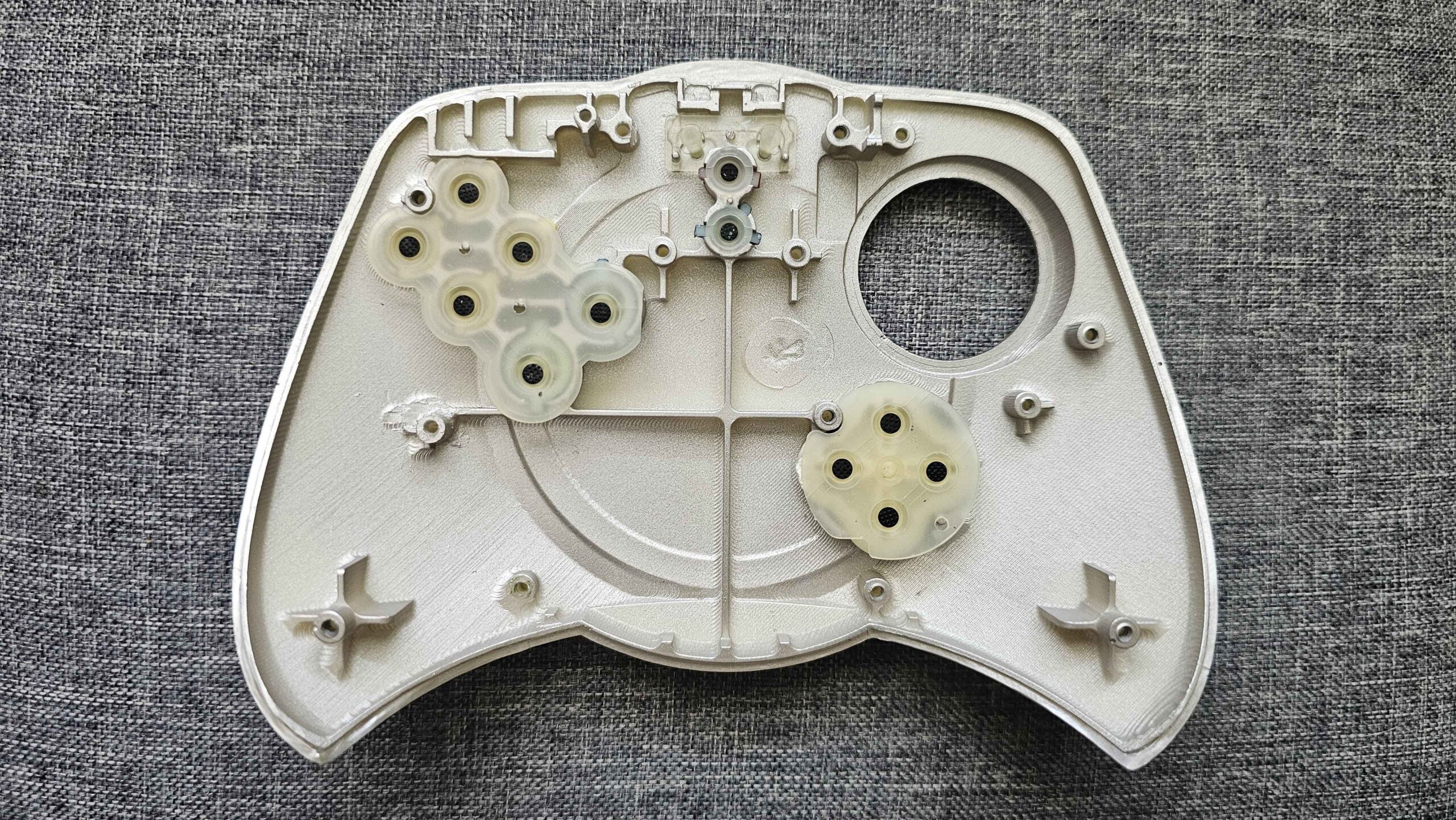
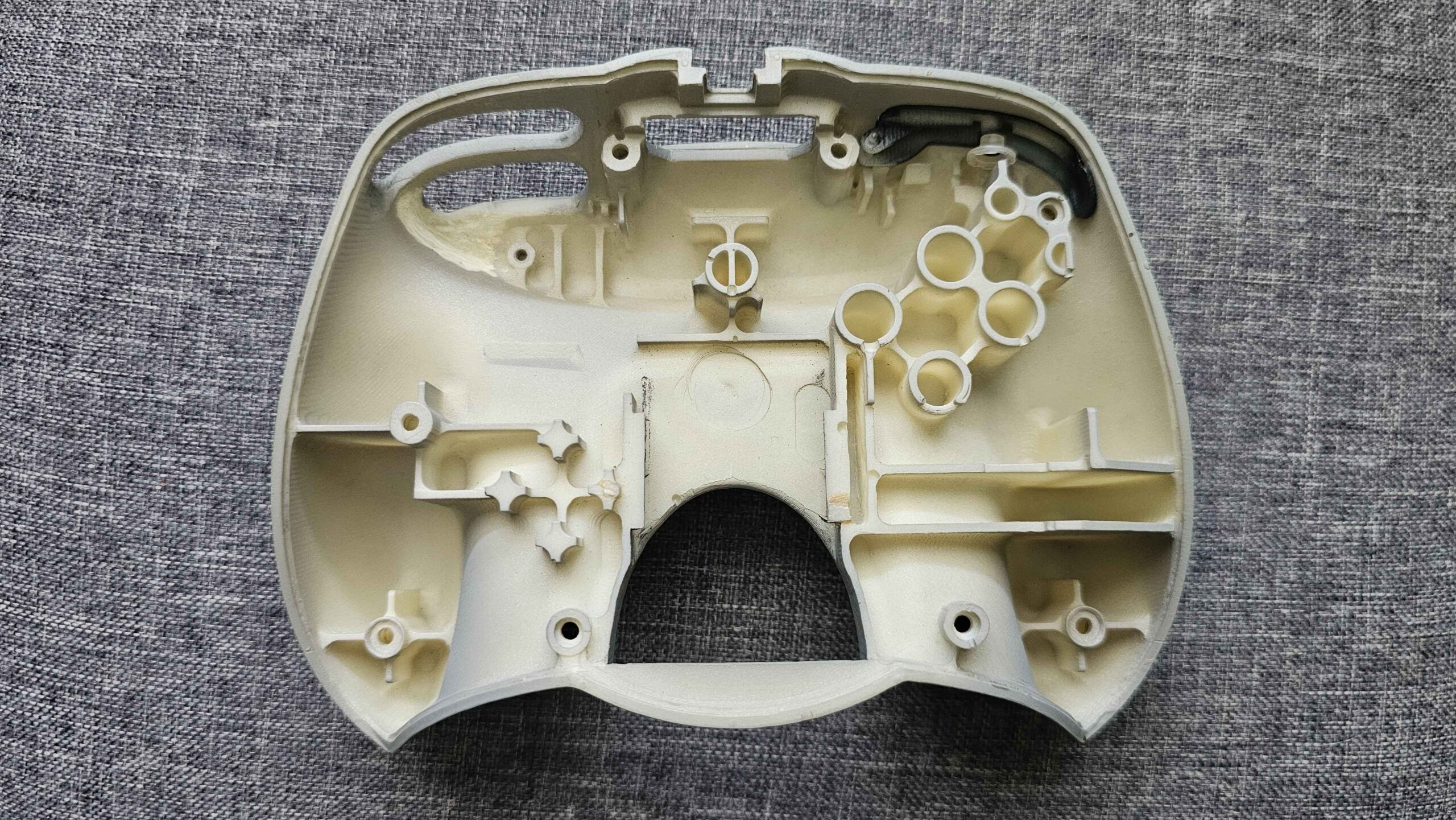
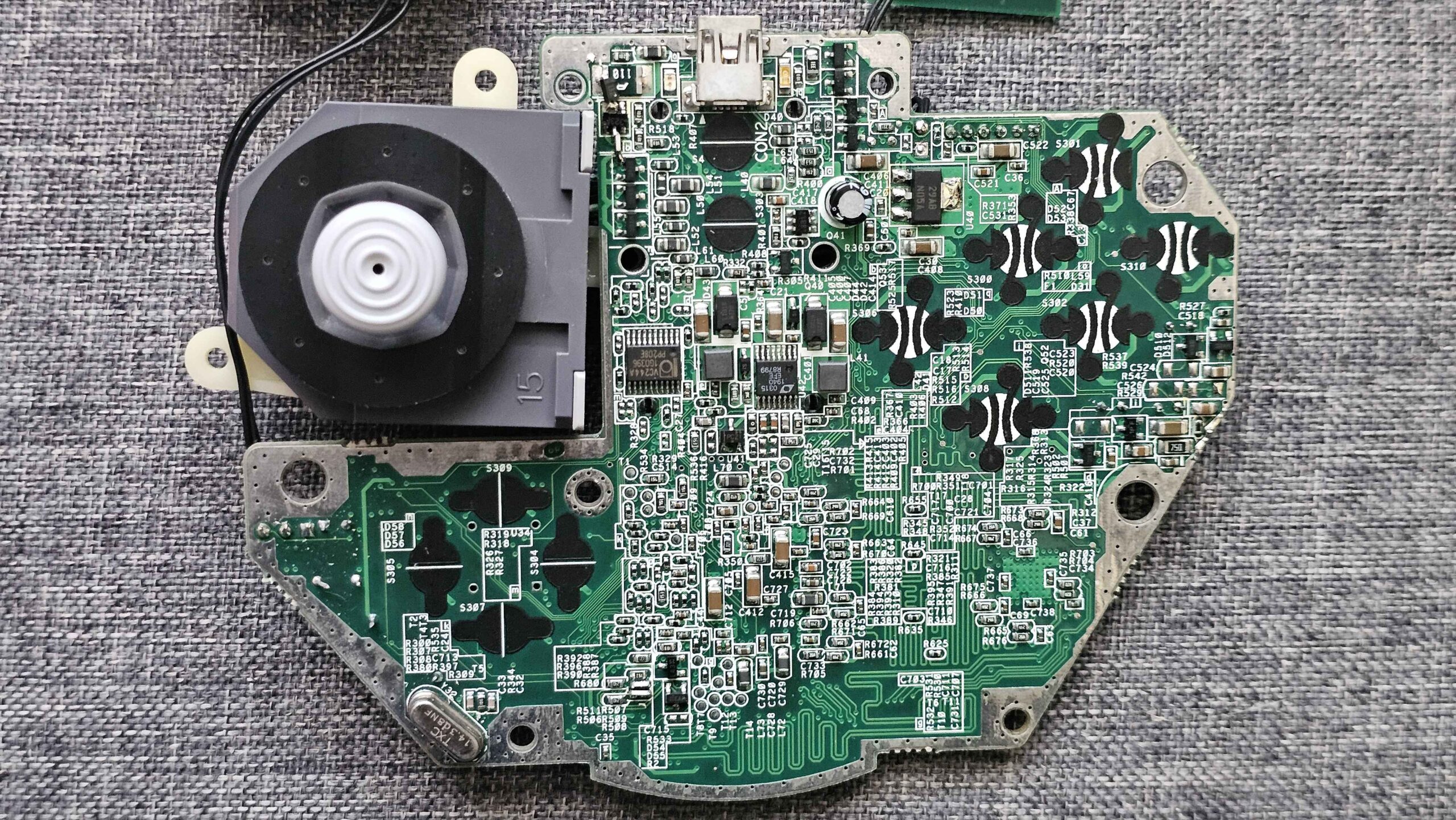
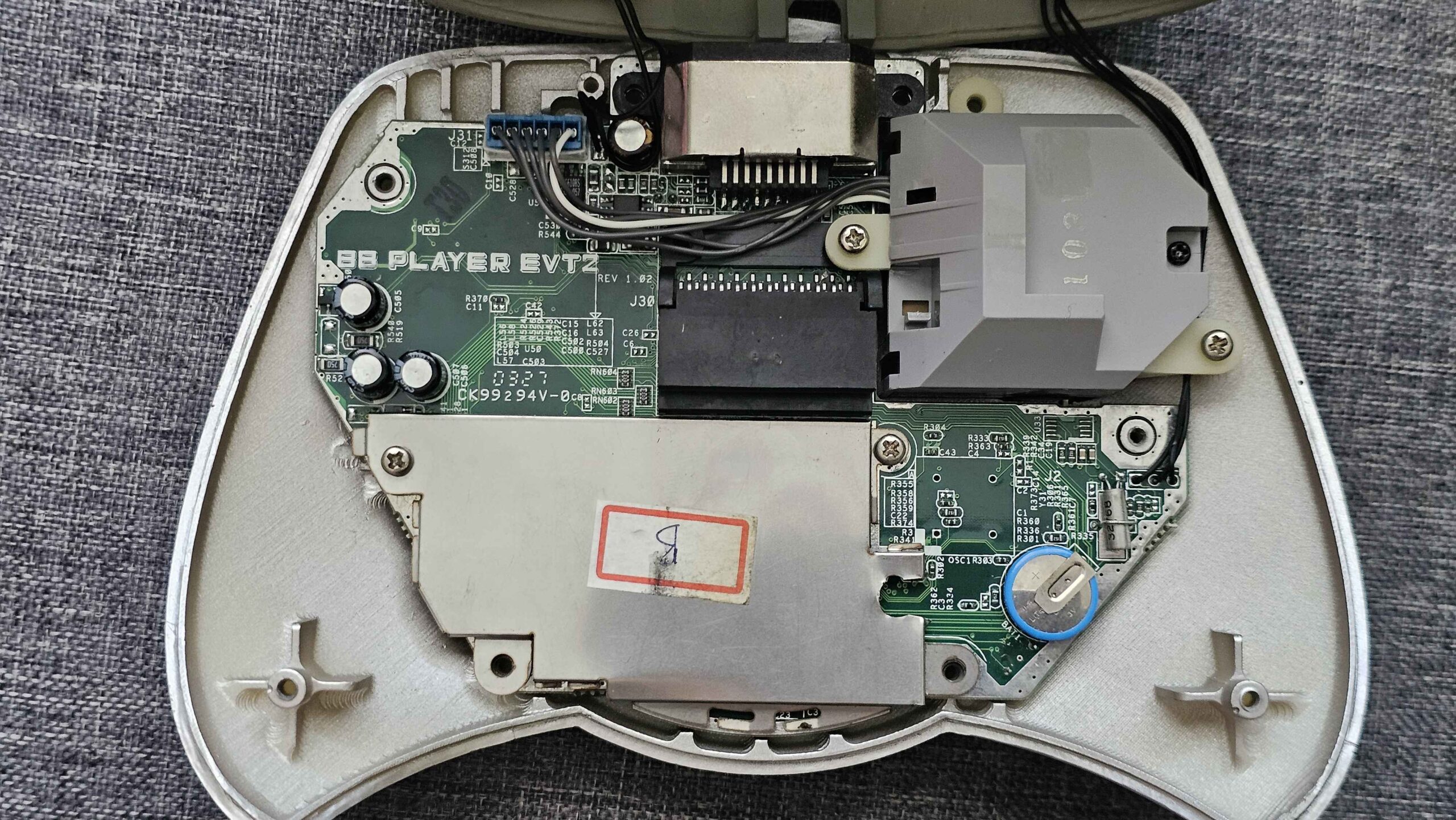
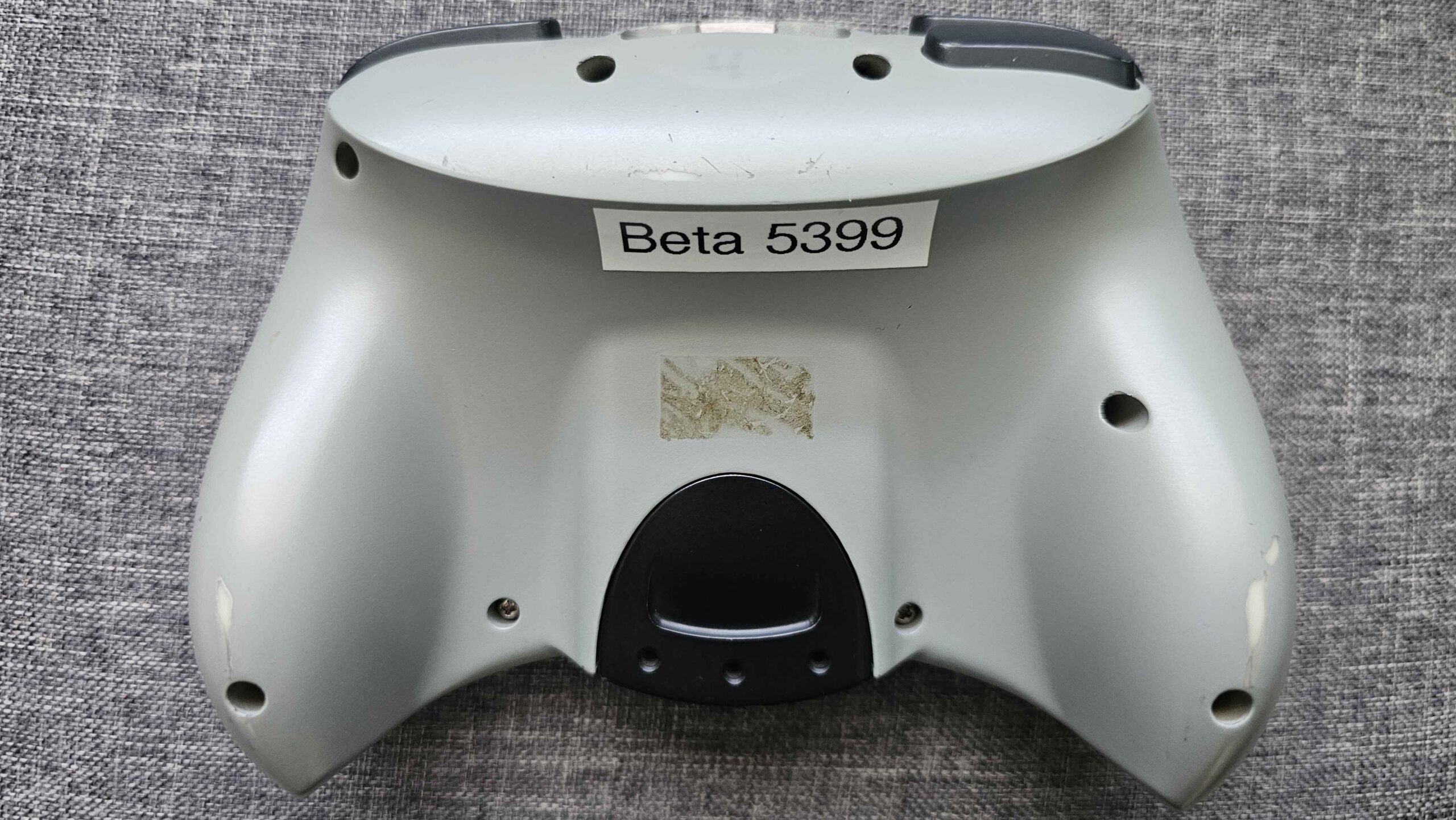
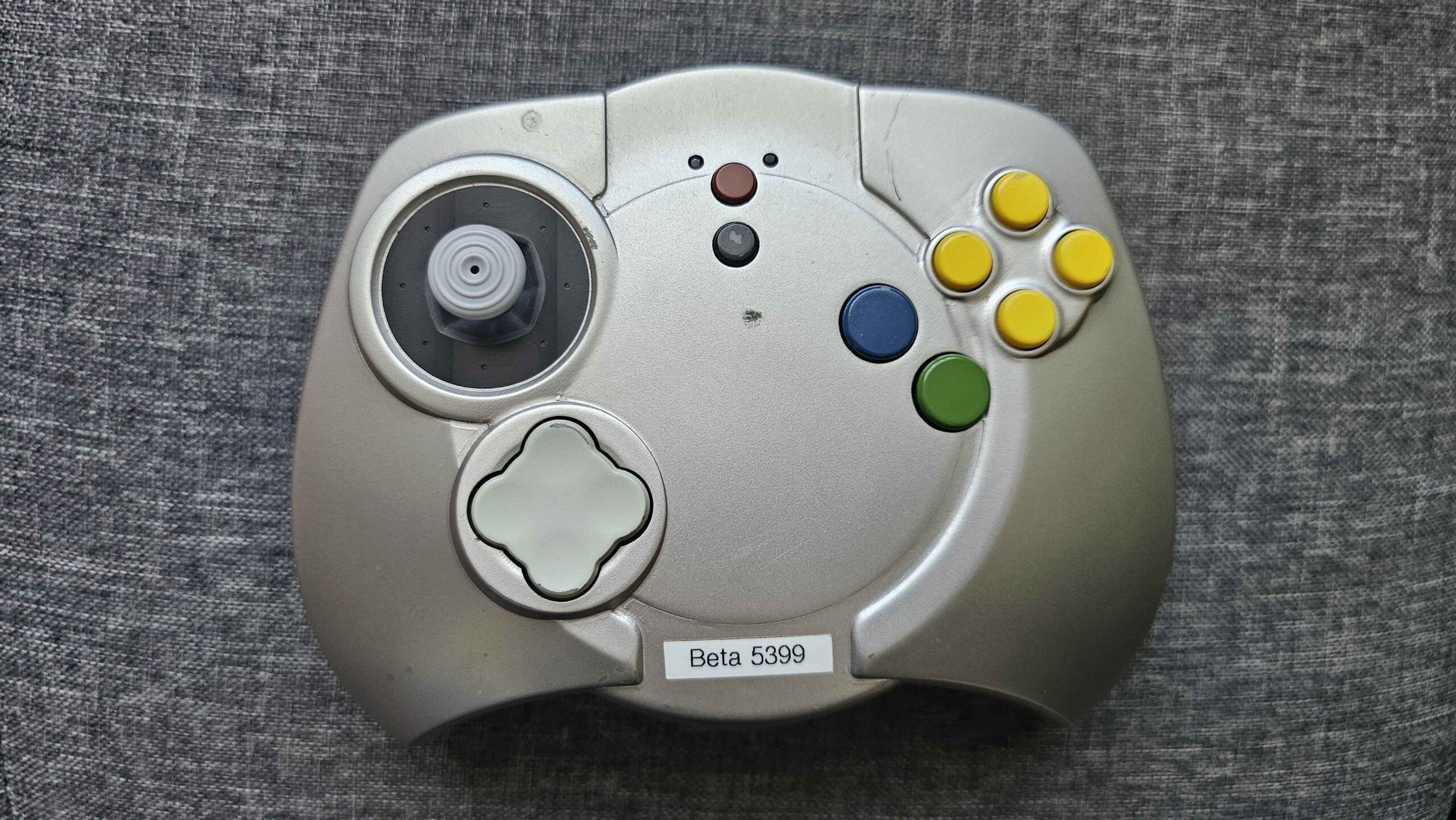
The final console is much more interesting: its shell is substantially different to retail, having the appearance of a prototype, and it closely matches early renders. Documents from the Gigaleak reveal that these prototypes were used after the console’s launch for reliability and environment testing. Instead of the retail console’s custom analogue stick enclosure, this uses a normal Nintendo 64 analogue stick that has been modified by hand to fit in the iQue Player’s shell. Its motherboard is revision 1.02 ‘BB PLAYER EVT2’, which features extra debugging features such as JTAG test points. The SoC appears to be identical to retail according to all known identifiers. It is not known if the motherboard has been replaced at any point.
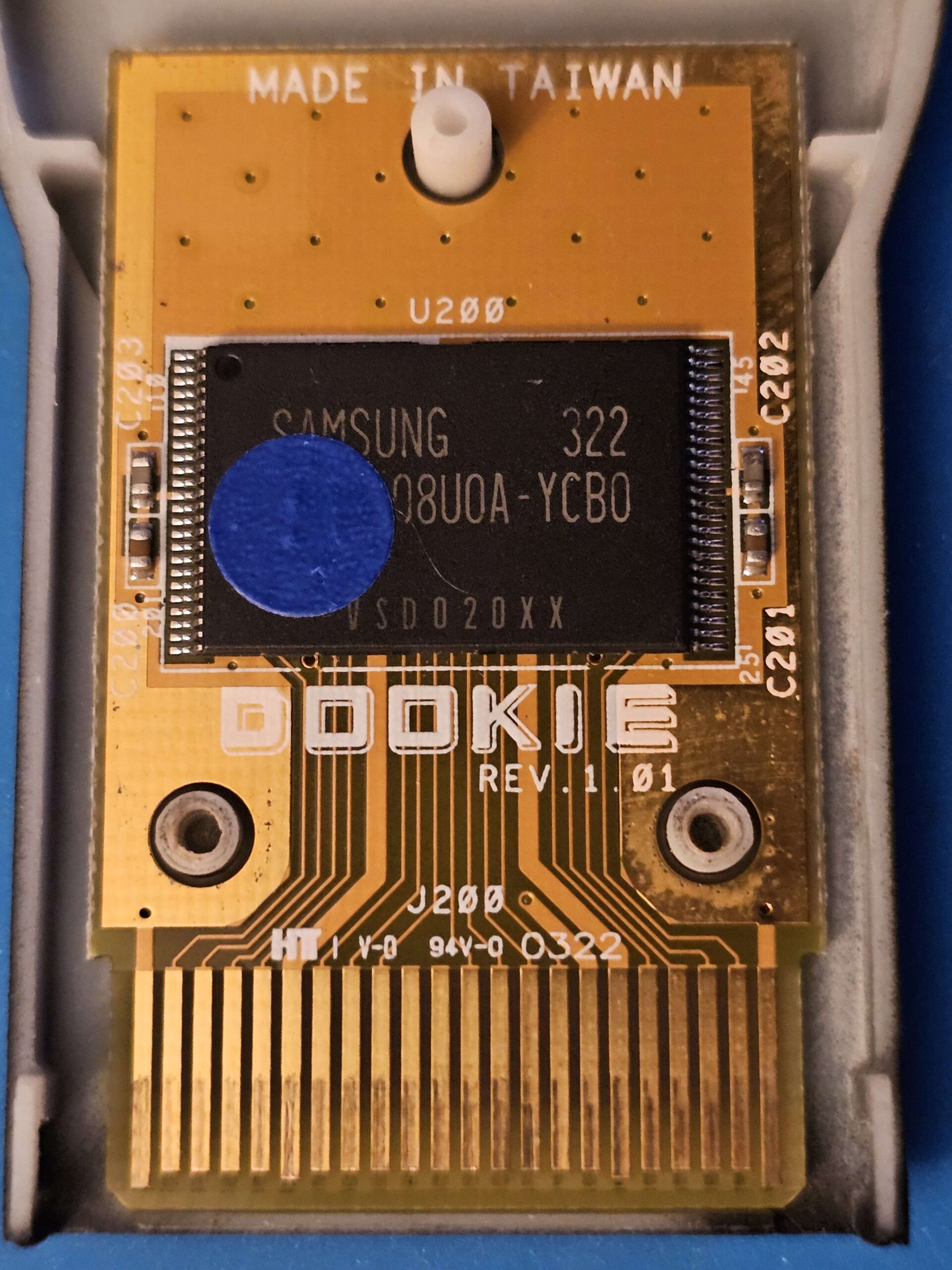
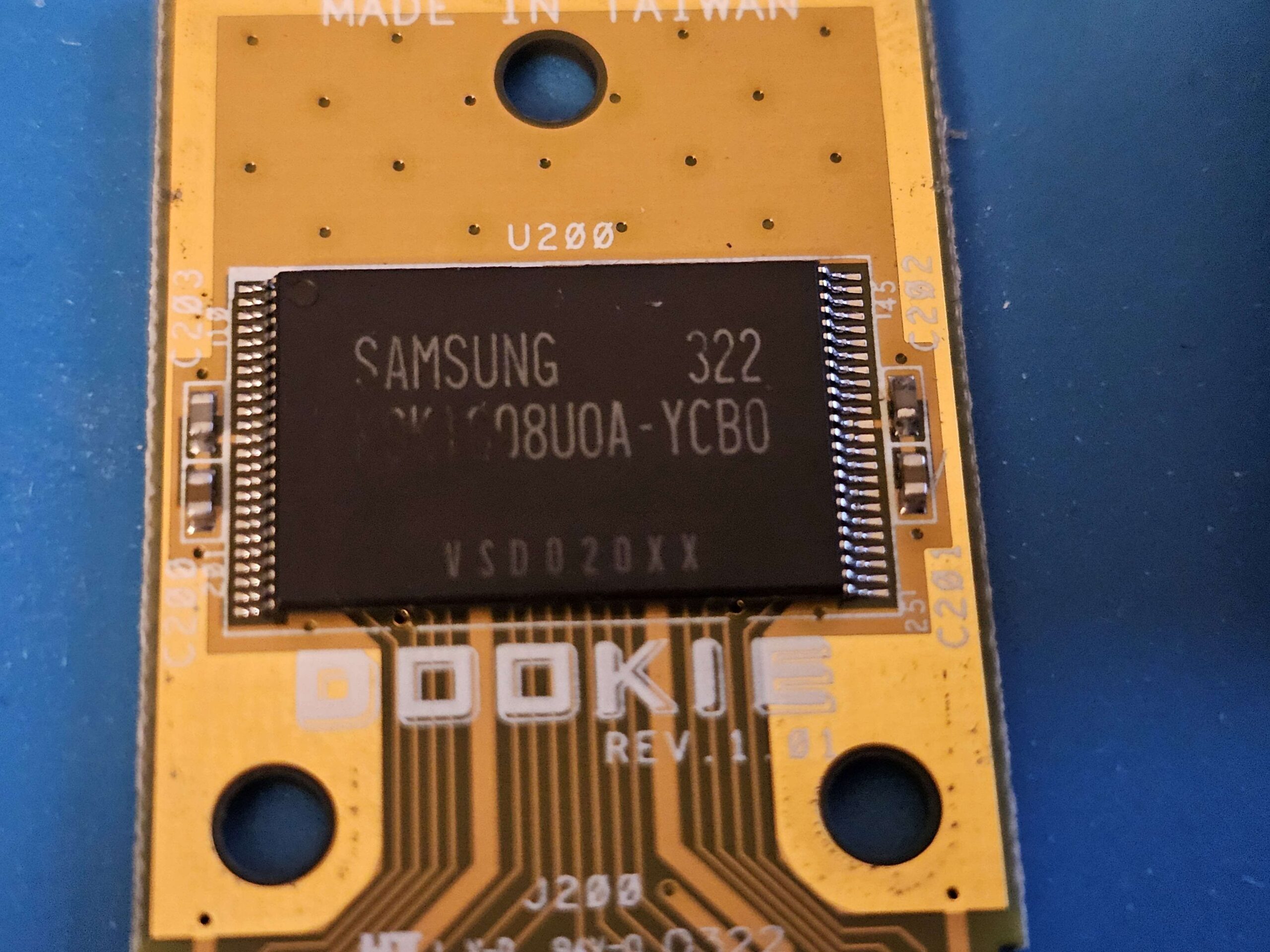
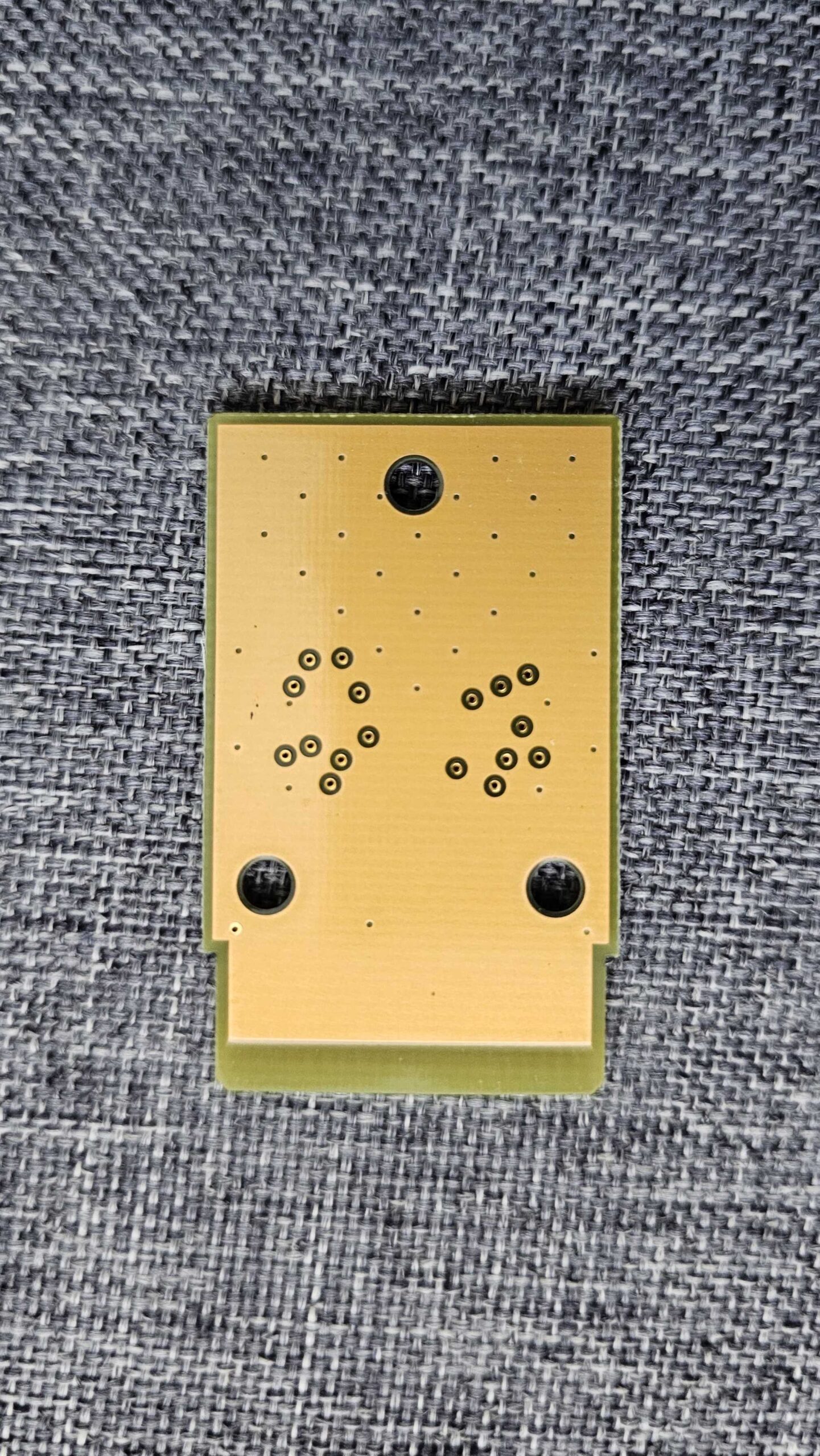
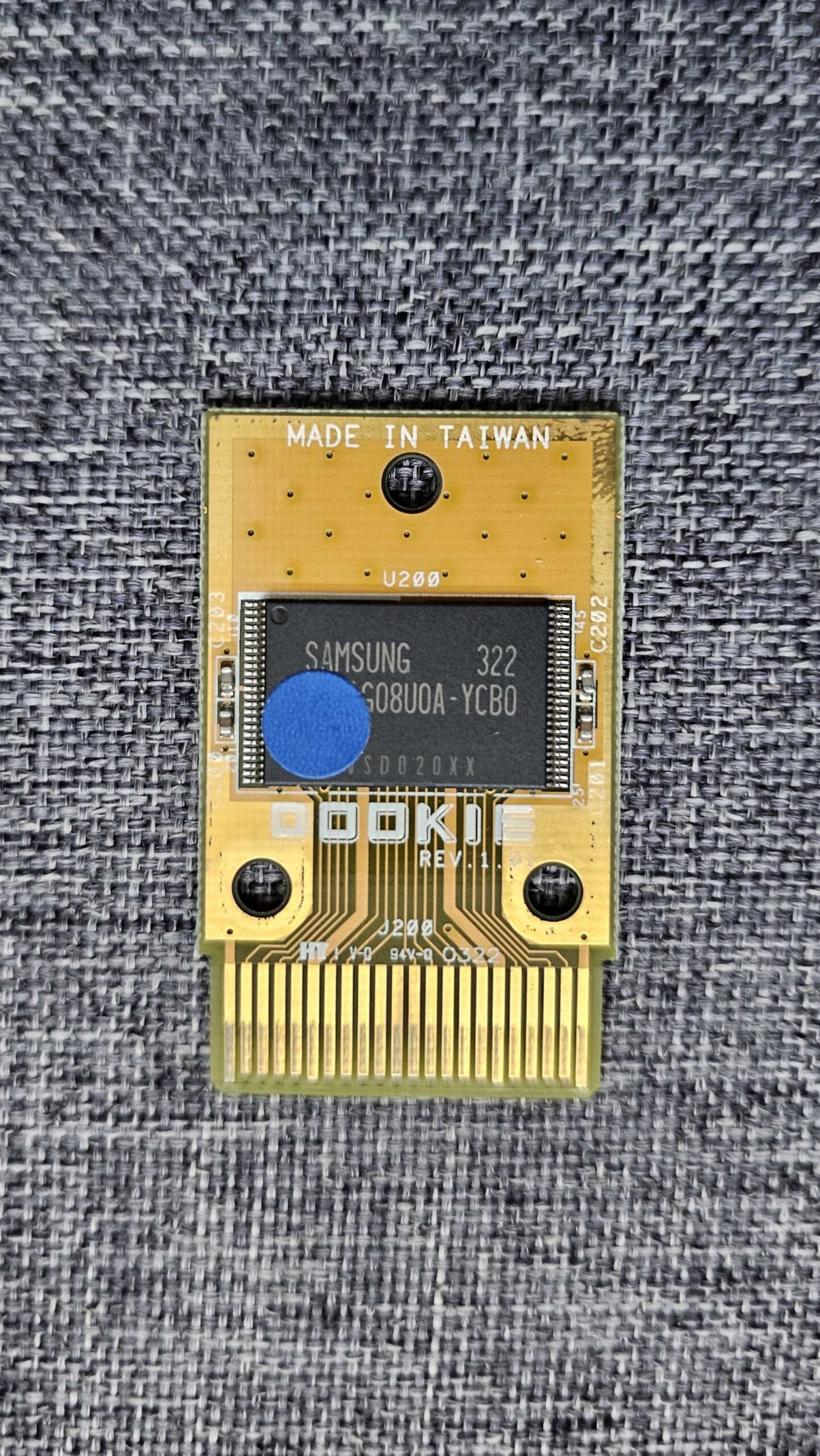
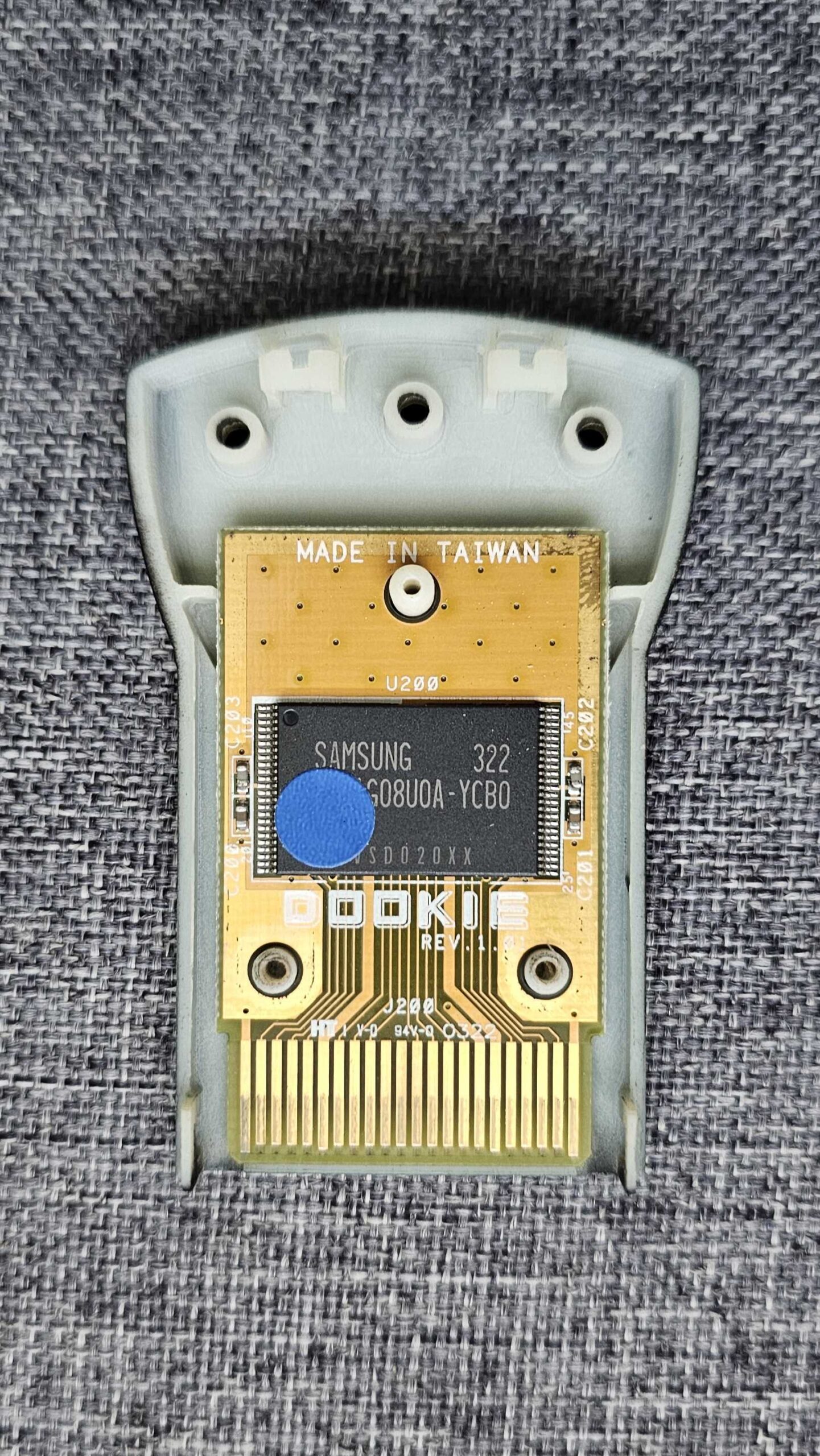
All retail iQue Cards use 64MiB NAND chips. The console is compatible with four different types of NAND chip, one of which has a capacity of 128MiB. Custom 128MiB iQue Cards have been produced in small batches by members of iQueBrew, but no retail consoles ever had them. Three of the four prerelease consoles use 128MiB iQue Cards.
Included in this release is:
- the raw NAND + spare, BootROM, keystore and timer data dumped from each console
- the raw files extracted from each NAND
- CMDs and decrypted ROMs for the three dumpable pieces of prerelease software
- the CMD and decrypted partial ROM for Majora’s Mask
All content can be extracted from the NAND images or raw files provided using open-source tools and the relevant file formats are documented on the iQueBrew wiki.
Link to Downloads (Hosted on the Internet Archive)
Image Gallery –